
UNIC
The European University of Cities in Post-Industrial Transition (UNIC) is an alliance of ten universities rooted in ten specific post-industrial urban ecosystems, dedicated to unlocking new models of European learning, working and researching that will shape the university of the future. The work undertaken by the UNIC alliance contributes to addressing post-industrial transitions and tackling societal challenges arising from the transformation of once-industrial regions, and the need to adapt to new economic, social, and environmental realities. UNIC offers educational opportunities for students through joint programmes, a comprehensive Engaged Research framework for researchers and academics, and promotes staff mobility and job shadowing opportunities across the ten universities. EUR plays a key coordinating role in UNIC and hosts the secretariat for the entire alliance.
Pop-up CityLabs
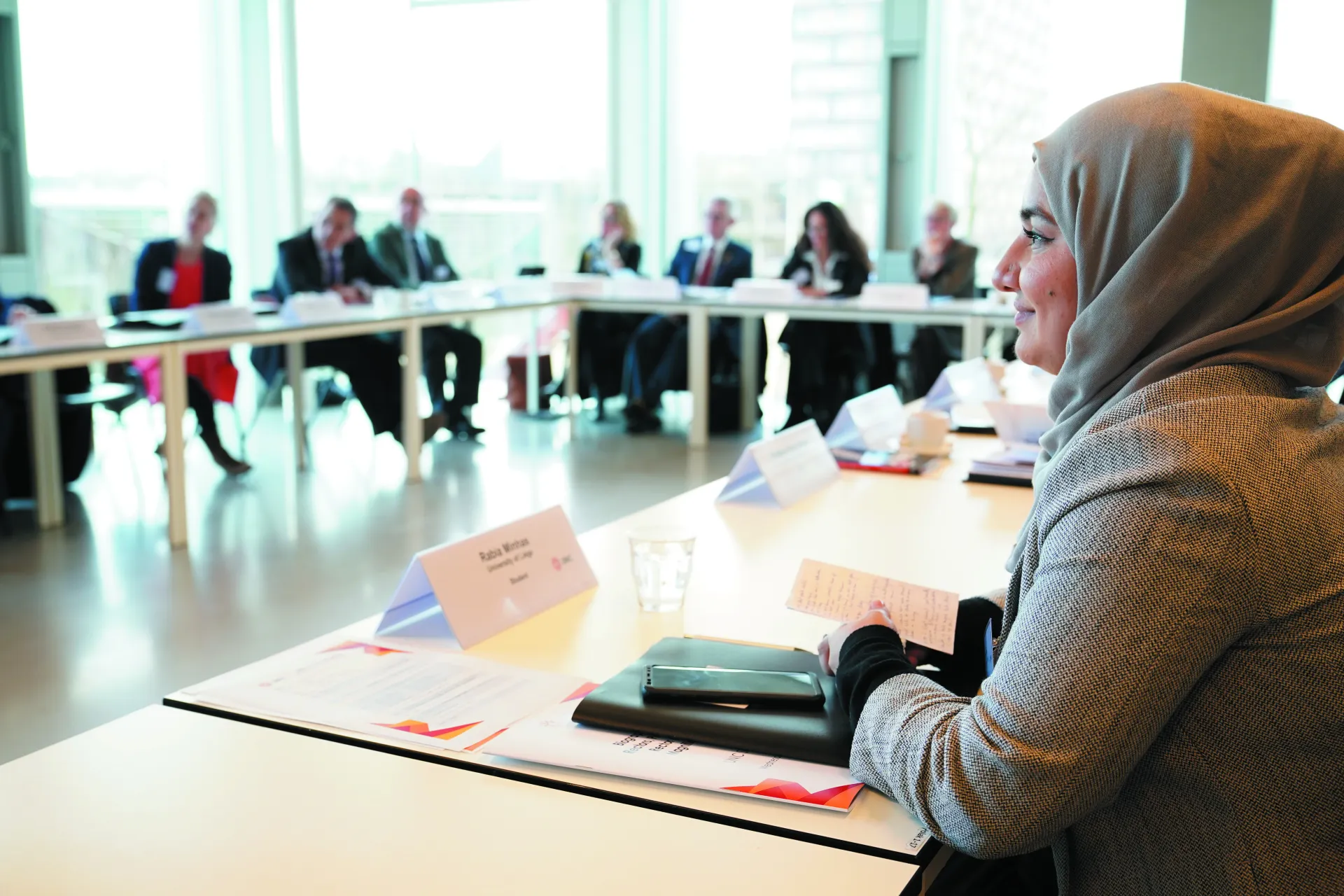
The city of Rotterdam also plays an important role in UNIC’s work. From 2022-2023, UNIC organised twelve City Labs. Six were virtual meeting platforms online, organised by EUR (UNIC with support from IatC) and at least one other UNIC partner, with participants from all over Europe. The other six CityLabs (Pop-up CityLabs) were held at a physical location in Rotterdam, focusing on a local topic or challenge with local city stakeholders.
Two pop-up CityLabs are highlighted here. The first one revolved around Tackling Inequalities and was done in collaboration with EUR’s master Honours Programme. Here, participants dove into the dynamics of social dimensions of housing inequalities and learned from local communities about alternative forms of home ownership and distribution. For the students, this masterclass was very insightful. They learned from the experiences and knowledge of people working in the field. Importantly, they had the opportunity to speak with, and learn from, local citizens of Rotterdam South who are impacted by the housing policy of the municipality, which is often disconnected from what the local population really needs.
The second pop-up CityLab is ‘Politics and the City’. During an earlier pop-up CityLab event, a lively, informative dialogue took place around the fact that most young people (18-25) do not vote, despite this right being essential in a democracy. During the event, issues and challenges faced by the target audience were identified. These entailed a lack of understanding regarding the voting procedure, a lack of trust in politicians, a disconnection between the target audience and politicians, and a lack of interaction between politicians and their constituents. The second session focused on answering four questions which emerged from these challenges, which led to four innovative solutions that are being worked out to discuss with partner universities during a Virtual Meeting Platform (VMP). After that, a choice for the ‘right’ solution will be made for implementation. Learning from these CityLabs, UNIC found that smaller groups often foster higher levels of participation. In the case of the ‘Politics and the City’ CityLab, having the right stakeholders present and motivated helped to create result-driven and creative solutions.
The UNIC CityLab model is UNIC’s flagship instrument for enhancing societal impact. The model is based on three main steps:
- Identifying urban challenges and their root causes. This is done locally through the pop-up CityLabs.
- Co-creation for possible solutions. This is done UNIC-wide through Virtual Meeting Platforms (VMP’s), UNIC-wide events in which heterogenous teams collaboratively tackle the challenges defined in step one. By leveraging the diversity of the UNIC network, perspectives are widened, creativity is magnified, and problem-solving is boosted.
- The possible implementation of these solutions, with local experts and administrators who can offer support and guidance in their realisation. They can also connect creators with the necessary people and resources, done locally through the pop-up CityLabs. The aim of these local events is to help implement the most viable solutions and identify ways to overcome barriers for societal impact.

Supporting and enabling collaboration and co-creation
Building further on the lessons learned from the CityLabs, UNIC created the Centre for Future Cities. CityLabs are part of this centre, which has been developed into an attractive ‘one-stop-shop’ infrastructure and service provider that facilitates collaboration and co-creation between various actors. This will bring learning and research to the cities and communities, and the needs of cities and communities into learning and research. In this way the Centre creates pathways for cities, municipalities, communities, citizens, NGOs, private businesses, students, teachers, researchers, and academic professionals to work together to collectively identify burning societal urgencies and to seek solutions to these challenges via city-engaged learning and research.

UNIC4ER – supporting engaged research
To support researchers and academics in doing engaged research, UNIC has developed a comprehensive Engaged Research (ER) framework and support system for involving and engaging citizens, civil society, and public/city authorities in research and innovation. UNIC4ER (UNIC for Engaged Research) is a collective endeavour aimed at addressing post-industrial transitions and societal challenges through Research and Innovation (R&I) activities, while ensuring active engagement with the local community. The primary goal of the framework is to develop a comprehensive strategy for ‘engaged research’ within the UNIC alliance to guide their research and innovation activities, emphasising active involvement with local communities and stakeholders.
To achieve those ambitions, UNIC first explored the concept of engaged research during a series of seminars on best practices, laying the groundwork, for further development. After co-creative workshops and a mapping exercise across UNIC’s partner institutions, and based on insights from a survey for researchers and local stakeholders, UNIC published a joint declaration on engaged research. This declaration emphasises the importance of collaboration and community engagement. It is the first in its kind in Europe.
Many of the societal challenges faced by post-industrial cities require innovative solutions, developed together with society and societal partners. But co-creating research projects often requires experimentation. To allow for experimentation and to build consortia for future collaboration and research proposals, UNIC organised two seed fund calls. The UNIC4ER seed fund offers small-scale support for engaged research projects and project proposal development across all disciplines within the UNIC consortium and beyond. This seed fund initiative not only funds, but also establishes, incentives, and supports collaborative methods of engaged research across UNIC’s partner universities. Encouraging international exchange and collaboration also allows for sharing of best practices and ideas and fosters mutual learning. The UNIC seed fund has, so far, supported 12 projects involving a total of 17 EUR researchers, five of whom have acted as Principal Investigator for their projects. Together, they have received a total of 60,000 euro to support their research.
Visit the UNIC website to see all engaged research projects supported by UNIC. Some of these projects are highlighted in this report. Read their stories:
- Prof. Maarten IJzerman (ESHPM) for his project “Systems Modelling of Multi-Cancer Early Detection in the Community” as Principal Investigator. Want to learn more? Read the story below
- Dr Alberto Quintavalla, Dr Siobhan Airey, Prof. Klaus Heine (all ESL) and Dr David Dodman (IHS) have been part of the project “A just transition for cities.” Want to learn more? Go to ‘Innovating our pedagogy and didactics’ for the story.

Collaborating to enable early cancer detection
In September 2023, ESHPM Prof. Maarten IJzerman’s project ‘Systems Modelling to Determine the Societal Benefit of Multi-Cancer Early Detection in the Community’ was awarded financial support through the UNIC Seed Fund Initiative. Together with Dr Özge Karanfil at Koç University (one of the UNIC alliance partners), IJzerman and EUR colleagues began developing a collaborative research network to build capacity around multi-cancer early detection (MCED) screening, a groundbreaking development in cancer treatment where a simple blood test can detect up to 50 different cancers before symptoms appear. While the MCED blood test is a highly promising tool in the fight to reduce cancer mortality, the path to population-level implementation remains unclear, IJzerman explains:
'We see quite a lot of fancy technologies being developed in the lab and validated in clinical trials but then when it comes to implementation, the innovation hits a barrier. So, we try to look at the broader organisational context and economics, as well as the clinical value proposition, to understand how you can translate complex technologies into health services.'
Understanding how different local, regional and national contexts with varying organisational, funding and data-sharing structures and differing value systems around health and privacy can implement the MCED blood test is no simple feat. International research collaboration is essential. Using the UNIC seed funding, and in collaboration with the University of Melbourne, the project applied System Dynamics methodology for simulation modelling, which provided valuable insights and engaged stakeholders in the research process. A virtual event was held in June 2024 with researchers from universities including partner Koç University, Harvard University and City University London to strengthen the collaborative network. During the event, the group decided to expand their focus beyond the cancer space to other complex health technologies – such as AI in health services and gene-editing or gene replacement therapies - and work towards involving more research partners.
Translating research into practice
These complex technologies also allow a closer collaboration with Erasmus MC conducting research on questions such as how to support the decision-making processes of healthcare professionals by integrating AI and data-driven technologies. Using AI could, for example, assist in gathering stroke patients’ clinical information, quickly gaining an overview of the availability of various procedures at local hospitals while the patient is still in the ambulance. AI and data-driven solutions could speed up healthcare decision-making without compromising the accuracy of the data in diagnostics procedures. However, questions remain regarding the implementation, shares ESHPM's Dr Sandra Sülz:
With any type of complex innovation, there are multiple layers that need to be addressed. There’s the technical component. Then there’s the healthcare professionals who are the prime users and the teams that these professionals work with—all the departments and the general system they work within. So, there’s all kinds of different layers that interact and that is where the question of implementation becomes interesting in the process of developing something new. At the same time, you need to think about the implementation strategy and the most important angles to tackle. That is where the social sciences elements come into play and make it really interesting from our perspective.
One year in, the group is working towards quickly building capacity to minimise the gap between what is possible in healthcare optimisation, as shown in labs, clinical trials and pilots - and what gets implemented in everyday practice. This project aims to create positive societal impact through facilitating and supporting the translation of new health technologies to patients in a more efficient way, by identifying barriers that prevent such technologies from being adopted. Beginning with a focus on capacity-building with the UNIC seed funding, the group seeks widening collaboration and encourages those interested across EUR faculties and outside universities to reach out to Dr Sandra Sülz, via sulz@eshpm.eur.nl.


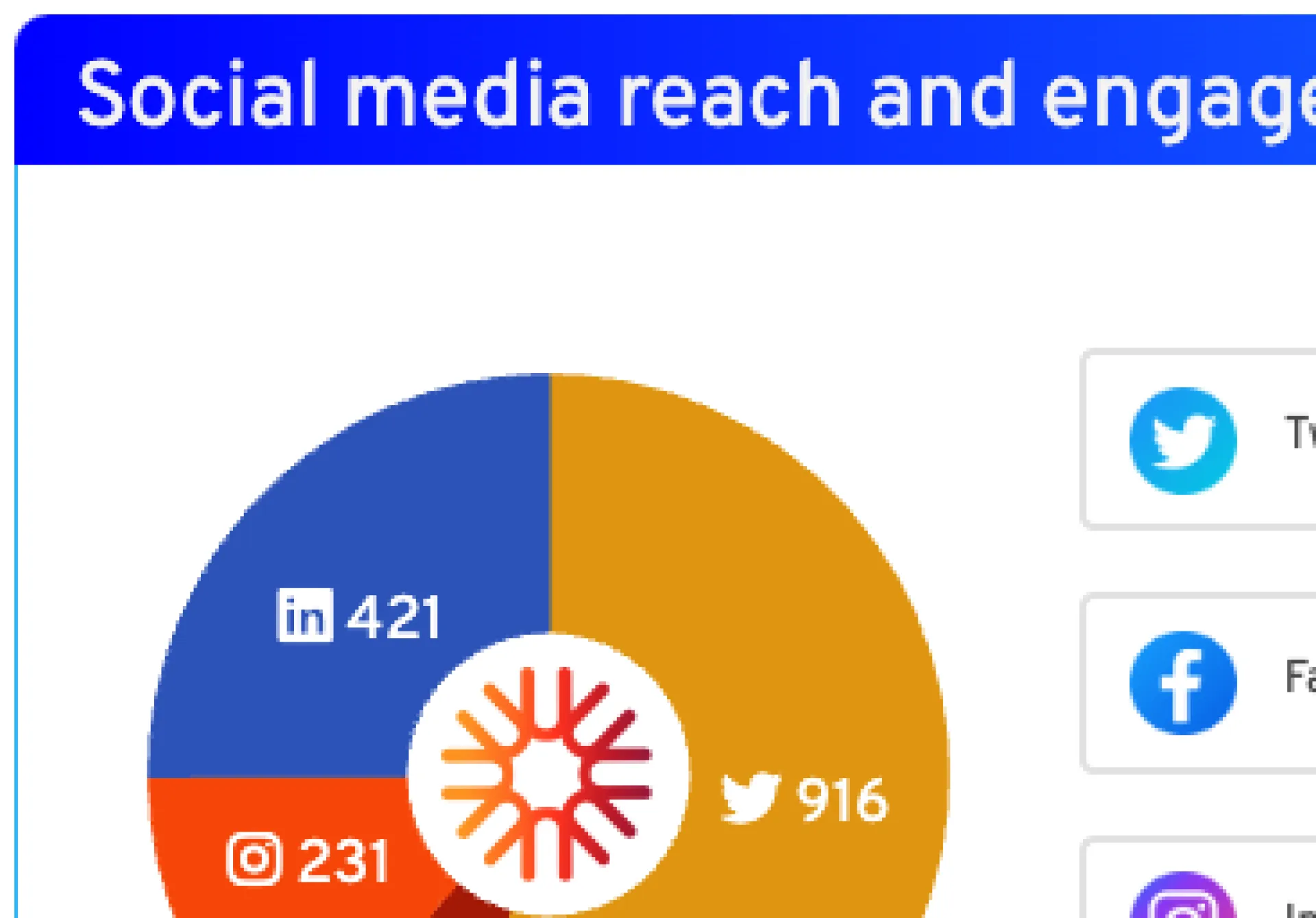
Engaged research is a novel concept for many alliance partners. In acknowledging this diversity, the UNIC4ER strategy accommodates varying levels of development and trajectories. Most interesting to see are the various forms that these projects took. The researchers really felt the freedom to use the seed fund to explore and experiment with different disciplines and methodologies, working with societal partners but also in managing a bigger consortium. The different disciplinary backgrounds of the researchers, and the different focus of the projects, speaks to the potential of the seed fund to reach a wide audience and inspire many researchers to engage with societal partners in their research.
Encouraging ongoing collaboration and dialogue among alliance members and fostering capacity building for engaged research are two important ingredients for these successes. Additionally, UNIC recommends the development of frameworks to encourage students to pursue research career opportunities with a view to addressing societal issues. Instrumental for a sustainable strategy is regularly monitoring progress and adapting the strategy based on evolving needs and contexts. Based on emergent opportunities and lessons learned, UNIC4ER will revise its initial joint strategy. This entails continuing to foster collaborative research and innovation initiatives, enhancing dissemination efforts to raise awareness, and promoting further engagement with stakeholders while embedding the results in UNIC.