
Operationalising our impact ambitions
Our impact ambition benefits from a more conscious and purposeful approach. This includes the need to renew our structures, policies, processes, and practices to ensure our academic environment is suited to maximising our positive societal impact. Our operations, including our governance, leadership, and decision-making processes, ensure that the university’s impact aligns with the needs and priorities of the communities it serves. Here we celebrate initiatives that are embedding impact into the fabric of our university, affecting and connecting the other three core portfolios.
Defining our impact ambitions
Setting up Strategy 2024 allowed us to set out a path to become an impact-driven university. This path – or impact journey – is not a single, narrow one. Instead, it takes on many different routes, depending for instance on a School’s culture and disciplines. Throughout the past period, several paths have been set out. One of the strategic projects that offered support in this process, is the Evaluating Societal Impact project (ESI). The ESI team offers tailor-made support to all of EUR’s Schools and at different stages of their impact journey, not only by providing advice but also by developing hands-on tools. Read on to learn about how Schools have worked – often in collaboration with ESI – to define their impact ambition and strategy:
Defining School-level Impact Strategies
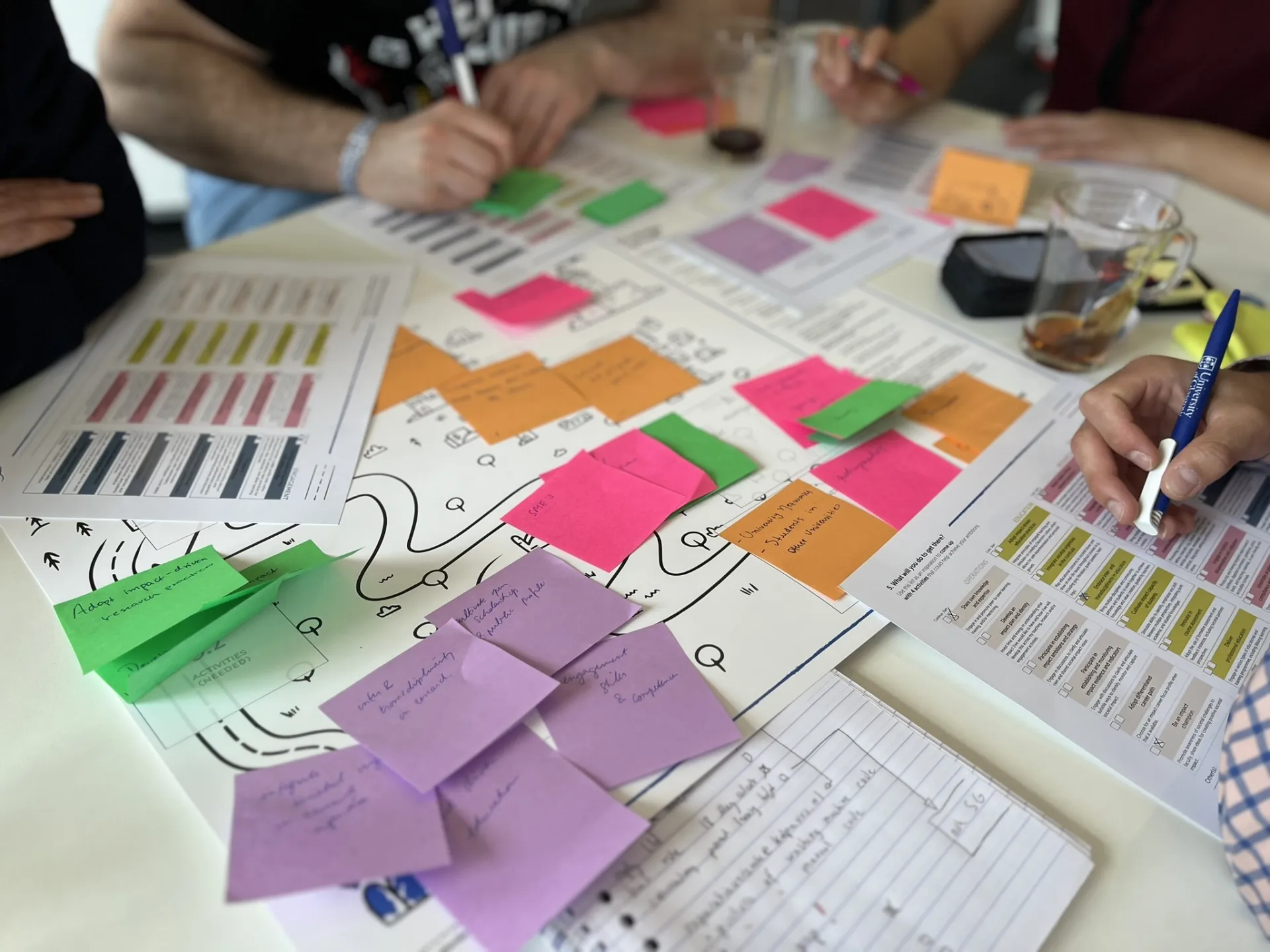
Schools’ impact journeys are not a linear process, but a strong starting point is to have an impact strategy. Part of this strategy is the definition of your impact ambitions. To translate the EUR impact framework into the ESHPM context, ESHPM collaborated with ESI. The aim here was to be more consciously aware of the various types of, and pathways to, impact from ESHPM’s activities and to draft a starting point for the subsequent ESHPM Strategy. Additionally, they aimed to raise awareness for the meaning, implications, and necessary preconditions, for creating impact among ESHPM’s staff. To achieve these ambitions, ESHPM and ESI built ESHPM’s Impact Report. It was built after several months of discussing with staff, students, and partners how ESHPM, as a School, can work towards maximising their societal impact. It outlines their impact ambition and strategic points they will consider across engagement, research, education, and operations. The document will form the basis for the ESHPM Strategy 2024-2026 that is currently underway.
From this collaboration, both ESHPM and ESI gained important takeaways. For ESHPM, engaging in this process showed them that translating the inspiring (but also rather generic) EUR impact ambitions and goals into a School context is both necessary and enriching. There is still a significant gap between the overall EUR strategy and the daily reality within a School. The EUR definition and framework did, however, provide a good basis. Shifting to an impact-oriented university requires the translation and application of new insights in many structural processes and policies to ensure that impact is not only valued on an abstract level; but that impactful activities that do not directly fit into existing appraisal systems are also recognised, rewarded, or incentivised. ESHPM highlights that impact is a fitting ‘why’ for many of our more traditional ambitions on research and education. When understood as such, it does not diminish the importance of research, education, or engagement activities. ESHPM is currently drafting a new strategic plan, for which the Impact Ambition—and the lessons learned from it—forms the foundation. The strategic goals on research, education, engagement, and organisation are placed within this wider impact mission.
For ESI, this collaboration was the first of its kind. and they learned about the importance of flexibility for a possible change in scope: the final output changed during the trajectory from a strategy, to being an input for strategy development rather than a stand-alone impact strategy. How and when to engage the different communities within the School was the second biggest learning here: people are time-poor and feel connected to their Department. For their following collaborations, ESI tried to embed the activities at Department level and join existing meetings and events. Reflecting on the collaboration, ESHPM highlighted that this form for a cooperation between a School and a central initiative was one of the best practices they experienced within EUR and are important to take along for other future collaborations between central-level programmes or projects and Schools.
Taking along these lessons, ESI is currently working with ESHCC in defining their Impact Strategy. The aim of this process is to facilitate a bottom-up understanding of what societal impact means for ESHCC and what the School’s strategy on impact could look like. Integral to this, is a mutual understanding of what impact means in the specific context of the School. As with all collaborations, ESI takes a facilitation role, in which their impact expertise is applied in a way that serves the ambitions and profile of our Schools in a truly co-created approach to impact strategy development.
The collaboration between ESI and Schools took on different forms and function based on their own ambitions. With ESE, it focused on developing the impact ambitions of its Research Programmes. One of the valuable additions to the workshops proved to be the ’parking space’. Set up to collect topics related to realising societal impact at ESE but not related to defining the societal ambition of the programmes, the parking space mapped multiple opportunities and challenges in advancing societal impact at ESE. The results of the workshops—including insights from these parking spots—serve as the basis for the ESE Strategic Impact Plan, which is currently under development. This plan will include both ESE’s impact ambitions as well as a policy plan with the aim of facilitating impact.
Are you interested in formulating your own ambitions and strategy for impact? ESI is working to upscale the tailor-made tools they created in collaboration with Schools across EUR via its Toolbox. Some of these tools are ready for use:
Koers28: sharpening impact ambitions
For Erasmus MC, impact was already an integral part of their strategy for 2023 — Koers23: Technology & Commitment — in which they described Erasmus MC’s ambition to create impact and make a difference for a healthy society by being at the forefront of innovations in medical care and being a committed and valued partner. Building further on Koers23 (EN: Direction 2023), Erasmus MC sharpened their impact ambitions for the next strategic period—Koers28: The future starts by doing. The name says something about the lessons Erasmus MC took from the previous strategic period. In order to really create impact, they found that they needed to give concrete substance to Erasmus MC’s societal responsibilities in transforming healthcare - not only by ‘thinking’ about strategies but also by ‘doing’ (i.e. executing those strategies).
The main goal as described in Koers28 (EN: Direction 2028) is to transform healthcare by making it more accessible, sustainable and balanced. Erasmus MC’s impact ambitions go beyond ‘just’ ensuring good care, focusing on three specific ambitions through which Erasmus MC aims to transform healthcare: (1) strengthening tertiary, digital, and fitting patient care; (2) solving societal challenges through scientific research; and (3) investing in learning for the care of the future. Erasmus MC also found that a strong foundation is necessary to achieve their ambitions. They build further on this foundation by working to keep and attract employees, foster a value-driven culture and leadership, building an innovative technological and digital infrastructure (together with partners), and through effective management. Instrumental to start ‘doing’ has proven to be Erasmus MC’s participation in collaborations, such as Convergence and the collaboration with other hospitals in the region.
Supporting these ambitions, Erasmus MC has also formulated their research and an education strategy. Erasmus MC’s research strategy 2023-2029 is focused on societal challenges as drivers for research. By making societal challenges the departure point for their choices, Erasmus MC works to enable research that makes a valuable contribution to society. Moreover, in 2019, Erasmus MC formulated their educational vision for 2030. This vision is focused on educating students to become academically trained doctors who are well-prepared for new technological developments and who are societally engaged. More about this reformed educational strategy can be found under ‘innovating our pedagogy and didactics’.
Advancing impactful careers
EUR is committed to being an attractive place to work, with the aim of bringing out the best in everyone. This means offering our current and future academic staff an environment that allows them to develop all their talents while being part of one or multiple teams and to choose the set of activities that suits them. It also means recognising, appreciating, and rewarding them for all their activities. Moreover, EUR’s development into an impact-driven university requires new skills, competencies, activities, and outputs of the academic staff. Here, you can read about several initiatives aimed at facilitating and advancing impactful career development:
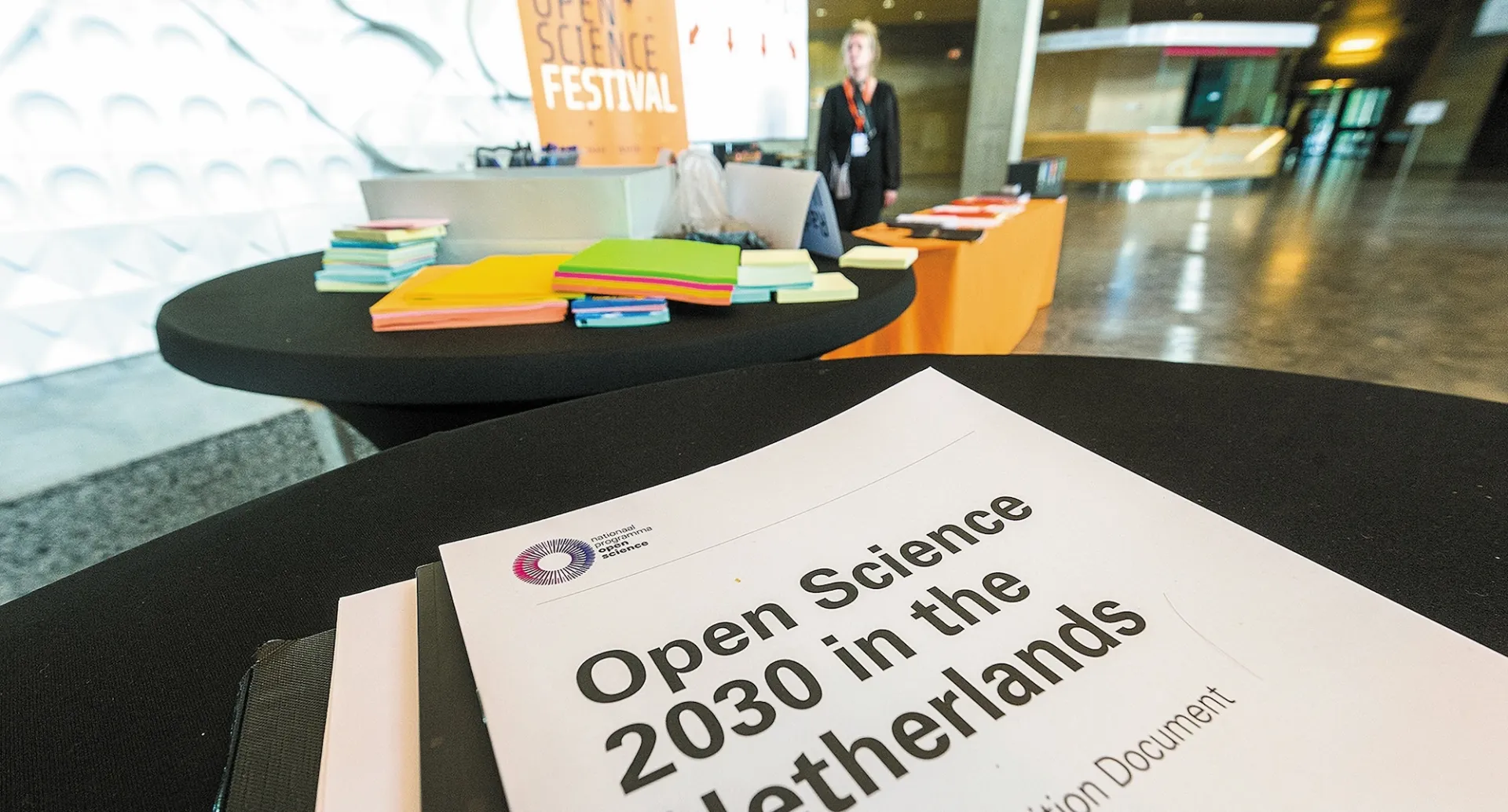
To accomplish these goals, it is vital to transform the system and culture for recognising and rewarding academic staff, which is in line with the main objective of the national Recognition & Rewards programme (R&R). In the position paper ‘Room for Everyone’s Talent’ (2019), the Dutch knowledge institutes and research funding bodies expressed a desire to revise the current recognition and reward system by enabling differentiated career paths, acknowledging the accomplishments of both individuals and teams, emphasising the quality of work rather than the quantity, encouraging the practice of all aspects of open science and promoting academic leadership. They operationalised these desires in the national and local initiation of R&R programmes and follow-up the position paper with a roadmap ‘Room for everyone’s talent in practice’ (2023).
Revising the system for recognition and rewards of academics
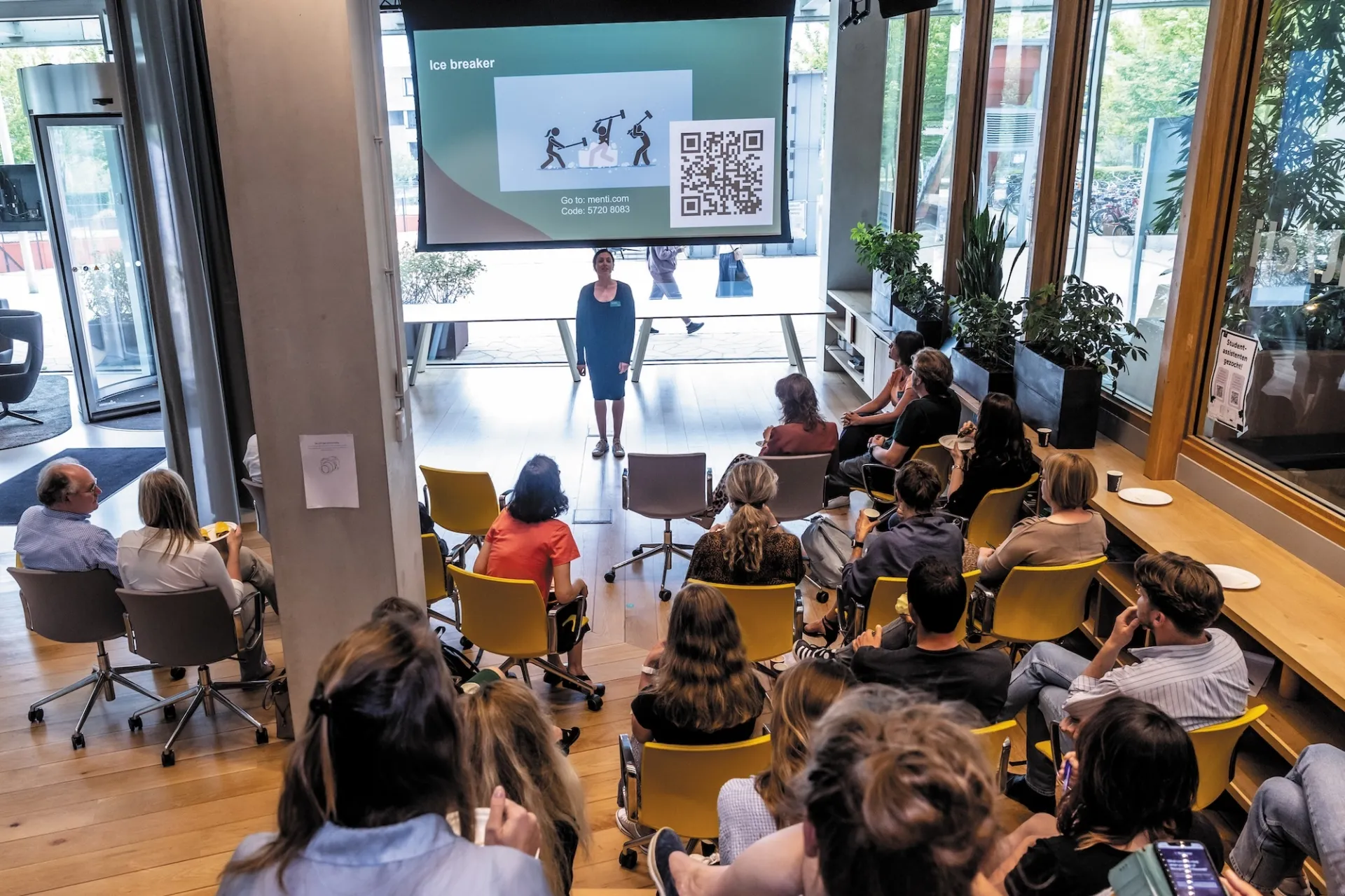
The Recognition & Rewards (R&R) programme is one of the strategic initiatives under EUR Strategy 2024 ‘Creating positive societal impact’ and is part of the National R&R programme to which EUR has committed. The programme started in May 2020 and can be defined as an impact enabler: Without properly recognising, appreciating, and acknowledging all talents and activities of our academic staff at an individual and team level and via a more qualitative approach, we will not make the transition to an impact-driven university. It requires a cultural change in policy, mindset, and behaviour. To move forward, the EUR expert R&R team reached out to all the Schools (professional services and academic staff) and relevant services (Academic Affairs, ERS and HR). Together they create policies and implement them in the academic staff’s direct environment. The R&R team uses a tailor made, user-centred approach. They involved a broad academic community to foster a well-supported culture change.
The three most concrete steps taken to support EUR colleagues are:
- Creating differentiated career paths – Academic career paths now often include 50-60% education, and 40-50% research. This needs to be opened-up to create more room for the diverse talents and efforts of academic staff in all the domains they are active (research, education, impact/engagement, management/leadership and patient care). To be more impactful, academics require opportunities to build an academic career, horizontal or vertical, across the levels of assistant-, associate- and full Professor. This way they are empowered to put an accent on other key areas for which they also will be recognised, appreciated and rewarded. Career paths have been created with bottom-up approaches and co-creative workshops in several Schools already, taking the School’s discipline, culture, and R&R practices into perspective. Tools like the workshop formats are available within and outside EUR, to foster mutual learning.
- Moving towards team-based working – In the current system for evaluating academic staff, there is a strong focus on individual achievements, while most of the work academics do is a team effort in which the contributions of individuals add up to creating impact. Team-based working enables academic staff to be complementary and to work towards certain achievements together. A different way of organising and evaluating teams is essential, including proper alignment on skill sets that are needed. ESSB has already adopted home-based teams, and other Schools are exploring this opportunity. There are two tools available that support the definition of ambitions, strategy, and strategic personnel planning: the Journey of Progress card set, and a Team-based working workshop, developed by the ESI team and the R&R team.
- Using narratives for evaluation – EUR is moving towards a more holistic and development-focused way of assessing academic staff. Qualitative narratives, including responsible quantitative indicators, supports this. These substitute or complement more traditional, quantitative approaches. An example of how narratives can be used is the new Development-cycle, in which all staff are encouraged to write a narrative in which they look back and ahead, focussing on their activities, achievements, experiences, learnings, and future development. Several schools also use narratives in tenure- and promotion procedures, to evaluate the diverse qualities of the academic. The R&R team supported this transition by developing guidelines, webinars and workshops regarding the writing and reading of narratives.
Adopting impact profiles
As the pilot School for the R&R programme at EUR, ESSB has implemented several significant steps towards enhancing their academic environment, and fostering professional development, since its inception in 2019. These steps include the use of narratives for the development cycle for all academic staff, new promotion criteria accommodating R&R, the implementation of team-based working and team leads, leadership training for team leads, and differentiated career paths for assistant- and associate professors through focus profiles. In addition to the ‘classic’ profile in which teaching and research form the main focus, associate and assistant professors of ESSB can now opt for an education profile, a research profile, a management profile, or an impact profile. Even though each of those initiatives benefits ESSB’s impact capacity, this report will focus mainly on their impact profiles.
As part of a pilot together with HR, two impact profiles were implemented within ESSB. These preliminary profiles are generalisations from semi-structured interviews with scientific staff, at assistant- and associate professor level across ESSB departments. Because impact is complex, diverse, and quite intangible, some additional considerations were presented as context with the profiles. For example, it was important to highlight that many staff members ‘do’ impact in some way and should be acknowledged, rewarded for their work and stimulated to continue.
In practice, impact is highly integrated with education and research. However, the impact profiles within ESSB were designed with a limited target population (1-2 staff members per department) in mind, specifically meant to recognise and reward societal impact work that also aligns with the School’s objectives. Hence, these profiles can only play a small role in a broader cultural change where more aspects of academic work will be valued. ESSB distinguishes between one executive profile with a smaller scope when it comes to scale, complexity, and/or lead-time of projects for the assistant professor level (i.e. ‘Impact Initiator’) and one strategic profile with a broader scope and a coordinating role between projects for the associate professor level (i.e. ‘Impact Inspirator’).
Creating and implementing dedicated career profiles proved challenging and (re-)evaluation is key. The evaluation of ESSB’s implementation of career profiles is still ongoing. However, some general lessons learned from the various Schools are important to share here: policy changes are not enough on their own, but they are a vital step when wanting to advance impactful careers. The university should provide the right environment (professional support, training, and funding) for the realisation of its impact ambitions. Additionally, it is important to communicate clearly and transparently about what is possible with career profiles and what is not. Having a clear strategy, communicating about this strategy, and highlighting how the advancement of impactful careers fit into that is an integral part of this. This strategy must be aligned across all levels.
Diversifying promotion criteria
In line with the objectives of the R&R framework but tailor-made to the School’s culture and ambitions, ESL has worked to shift the focus of their system for career development of academic staff. This shift moves from an exclusively output-driven evaluation process with quantitative indicators, to recognising and appreciating the academic staff’s individual talent, skills, and contributions to the School’s and their department’s objectives. The framework of guiding indicators for portfolio assessment research are set out in separate guidelines, defining for the School the quality framework for research.
This framework divides activities into three pillars: products/activities, use/impact, and marks of recognition. Assessment of output in the three pillars focuses on two aspects: scientific quality (targeting scientific peers) and societal relevance (targeting policymakers, legislators, legal, criminology or tax law professionals, and the public). This means that, in addition to research and teaching, societal impact and relevance form a key activity of academics at ESL. The starting point is the Royal Netherlands Academy of Arts and Sciences (KNAW) report ‘Towards a framework for quality assessment of social science research (2013, in Dutch). As a result, within ESL’s system of career development of their academic staff, impact is a visible topic of conversation. Based on ESL’s guidelines and the advice on how to evaluate this, a combination of a pre-determined checklist and a ‘hand-weighted’ impression of the overall portfolio is used to evaluate the impact of the outputs someone has produced. Societal relevance is also an important demand within the guidelines for the promotion committee of ESL.
Awarding engaged and impactful work
Both ESE and ESHCC reward impact work in the form of awards. Every year, ESE presents several awards to employees, rewarding and promoting the quality of education, research, and professional support. From 2016, ESE has introduced a Societal Impact Award. The awards are presented to a member of the School’s staff who has made an important contribution to the application of scientific insights within society at large and/or the improvement of sustainability within ESE during the past year. This year, the award went to Team Sustainable ICU, consisting of Prof. Albert Wagelmans, Dr Sophie van der Zee, Dr Wilco van den Heuvel, and Prof. Pilar García-Gómez.
ESHCC introduced a yearly societal engagement award in 2023. By highlighting the best examples of societal engagement within ESHCC’s academics, they show that societal engagement is something the School strives for and is proud of. For the societal engagement award, all staff members within ESHCC can nominate themselves or colleagues—both academic and professional services staff. The award can be won for many different types of output, ranging from an academic article to an educational project or course. After receiving ten strong nominations in 2024, the two winners for 2024, Dr João Gonçalves and Tessa Oomen were selected.
Promoting impact through good leadership
Changing how we recognise and reward academics, and advancing impactful careers, cannot be done without the contribution of leadership. Leaders play an essential role in developing strong, effective teams that are inclusive and diverse, and foster a healthy and positive working environment. We support leaders in their effectiveness in developing high-performing, inclusive teams and fostering a healthy and positive working environment. We are aware of the outflow of talent coming up through the organisation, as well as the ambitions and talents of our current leaders; this anticipatory awareness enables us to create a pipeline of potential successors over time. We have worked to enable leadership that facilitates this pipeline. Some of the ways in which we have done so are:

The Erasmian Leadership Profile
Starting in 2021, the process of developing the Erasmian Leadership Profile involved deans, vice-deans, and directors who together defined the essential characteristics for effective leadership within EUR. Based on these insights, a leadership profile was drawn up by the leadership development team with four core principles and corresponding competences at three levels: personal leadership, leading others and leading an organisation. The profile was then further developed in cooperation with representatives from each School and department. Senior management, middle management and staff also actively contributed to the process. To ensure scientific substantiation, input was sought from EUR researchers specialising in leadership. The profile and a comprehensive leadership policy (for EUR employees read more here) were formalised and launched on 23 November 2023, during the first EUR Leadership Day.
The Erasmian leadership profile serves as a framework for discussions on leadership and management topics, and is within the development cycle, hiring leaders and managers, considerations regarding promotion to leadership and management positions, and the development of leadership skills at EUR, integrated into the training courses and tools offered. The leadership onboarding training for new managers was also developed and launched in 2023 and is now mandatory for all new managers. Other trainings will also be adapted and aligned with the research profile so that they are available for both scientific and professional services. Additionally, there are also several tools being designed for current managers so that they can improve their leadership competences in line with EUR’s leadership profile. Getting feedback and inspiration from others has proven to be instrumental for good leadership at EUR. Therefore, we also aim to build and grow communities of practice for various groups of managers. This way, they can continuously learn and develop together in the field of leadership.

Promoting a culture of impact
To further facilitate the recognition and reward of diverse activities and talents, several units and Schools across EUR have implemented a new form of assessing personal development of staff – moving from the Performance & Development cycle to the development cycle. The goal of the development cycle at EUR is to provide an accessible and structural way for managers and employees to focus on the growth, development, well-being, and quality of employees. Paying attention to these elements brings out the best in employees and teams. Connectivity and diversity are encouraged, enabling employees to create a positive impact on the goals to be achieved.
In line with this, ISS aims to promote a culture of impact every step of the way. This starts with hiring staff members who are impact-oriented and giving them the space and freedom to fulfil this focus. This may mean for instance having the opportunity to travel as part of one’s research projects. However, this is not enough. If you want to change a culture, you have to start with the leadership. Therefore, ISS strives for impact to be part of everything leadership does, specifically in the ‘little’ things: from the questions leaders ask during a meeting (e.g. ‘who benefits from your research?’ and ‘how have you worked with your stakeholders?’; instead of ‘what journal are you planning to publish in?’) to the Dean being part of and actively engaged with the content of as many of the events organised by and at ISS as possible. This way, leadership shows an intrinsic interest in what staff are doing. However, this type of organic leadership focused on impact also brings its own challenges. A persistent question within ISS is ‘where are the procedures for this?’. For ISS, these procedures are difficult to describe – much of the value of leadership lay in less-tangible actions. Another challenge for ISS is that people remain worried about the focus on impact in terms of their future careers. Therefore, ISS leadership is encouraged to emphasise several options in ‘how to build your profile’. A central question here is: ‘How can we allow for different impact identities to flourish without constraining them?’. Proceduralising everything is not the answer. Nonetheless, this narrative-based new approach to the development cycle is a step in the right direction.
Creating change through service
‘I hope that when I leave, I will be remembered as the man who always talked about servanthood’. This vision drives Wico Verbaan, the Ombuds Officer at EUR, as he works to cultivate a culture of service within the university. Since January 1, 2023, Verbaan has been dedicated to enhancing the working and learning environment at EUR. His role is to act independently, impartially, and neutrally, ensuring a safe and healthy environment by addressing structural issues and malpractices.
Despite extensive measures for social safety at the university, the system isn’t always flawless. ‘There are so many possible actors that people sometimes don't know where to turn’, Verbaan explains. One of his primary responsibilities is to assess whether the system functions effectively and, if not, to propose improvements. Therefore, he believes it is essential for the organisation to reflect critically on itself. ‘Do we dare to tell ourselves, colleagues, internal or external clients, that we did not do well, that we could have done it differently, and what that might mean for us?’
Verbaan's dedication to his role is evident in his approach. His philosophy centers on being of service to others, necessitating accessibility and open communication with all members of the EUR community. He stays attuned to the experiences and concerns of students, staff, and faculty to understand and address underlying issues. ‘By knowing what is happening within the university, I can best perform my role’, he says. This proactive approach helps him identify patterns and systemic issues that may not be immediately visible. To maintain connectivity, Verbaan regularly meets with key university figures. He holds walk-in sessions for students and organises Ombud lunches for staff, focusing on specific themes to promote transparency and collaboration. These inclusive and interactive sessions foster open dialogue and idea sharing, enhancing connectivity within the university and fostering stronger networks and relationships.
Maintaining a balance between procedures and humanity
Looking forward, Verbaan aims to make himself even more accessible. Inspired by the national ombudsman, he plans to introduce an ‘ombuds table’ on campus, at Erasmus MC and ISS, to further lower the threshold for people to approach him. This initiative will create a welcoming space for direct engagement, enhancing his approachability and providing deeper insights into systemic issues.
Verbaan's vision extends beyond simply addressing individual complaints. He aims to create a culture where people feel empowered to take initiative and resolve issues at the grassroots level, de-escalating instead of escalating. When talking about an example of one of his cases, he notes:
Everyone was hiding behind a process, whereas two phone calls from me were enough to get people to the table and to get these people to come up with an appropriate solution together. When I asked colleagues concerned afterwards how often this issue happened, they knew exactly how often it happened, but no one took the role to proactively address it. If you filed a complaint about this issue, as EUR we followed the process, so no foot on the ground. But instead, we should be looking at ‘how can we solve this?’.
In a rapidly legalising and hierarchical society, maintaining a balance between procedures and humanity is crucial.
Sometimes there are so many procedures in place, but certain cases fall through the cracks. Let’s address these in a service-oriented manner and take proactive initiatives. The same with people who are often referred to multiple departments without finding solutions. His approach is to coach and educate individuals to take responsibility and address problems directly, whenever possible. ‘We just miss the good conversation sometimes’. Facilitating conversations is a key part of his work, encouraging people to speak to each other, which sometimes even prevents harder consequences or more formalised pathways. Wico aims to be proactive rather than reactive and wants to coach and empower people to take initiative.
His ultimate vision is for the university to embrace a culture of service. He believes that if everyone were more service-minded, significant positive changes could occur. By encouraging open dialogue and promoting a culture of service, he hopes to create an environment where everyone feels valued and heard, thereby enhancing the university's connectivity and its collective capacity to solve societal problems. He relates his efforts with Desiderius Erasmus' principle that if science is not serviceable to society, it is empty and without value.
Establishing the governance for impact
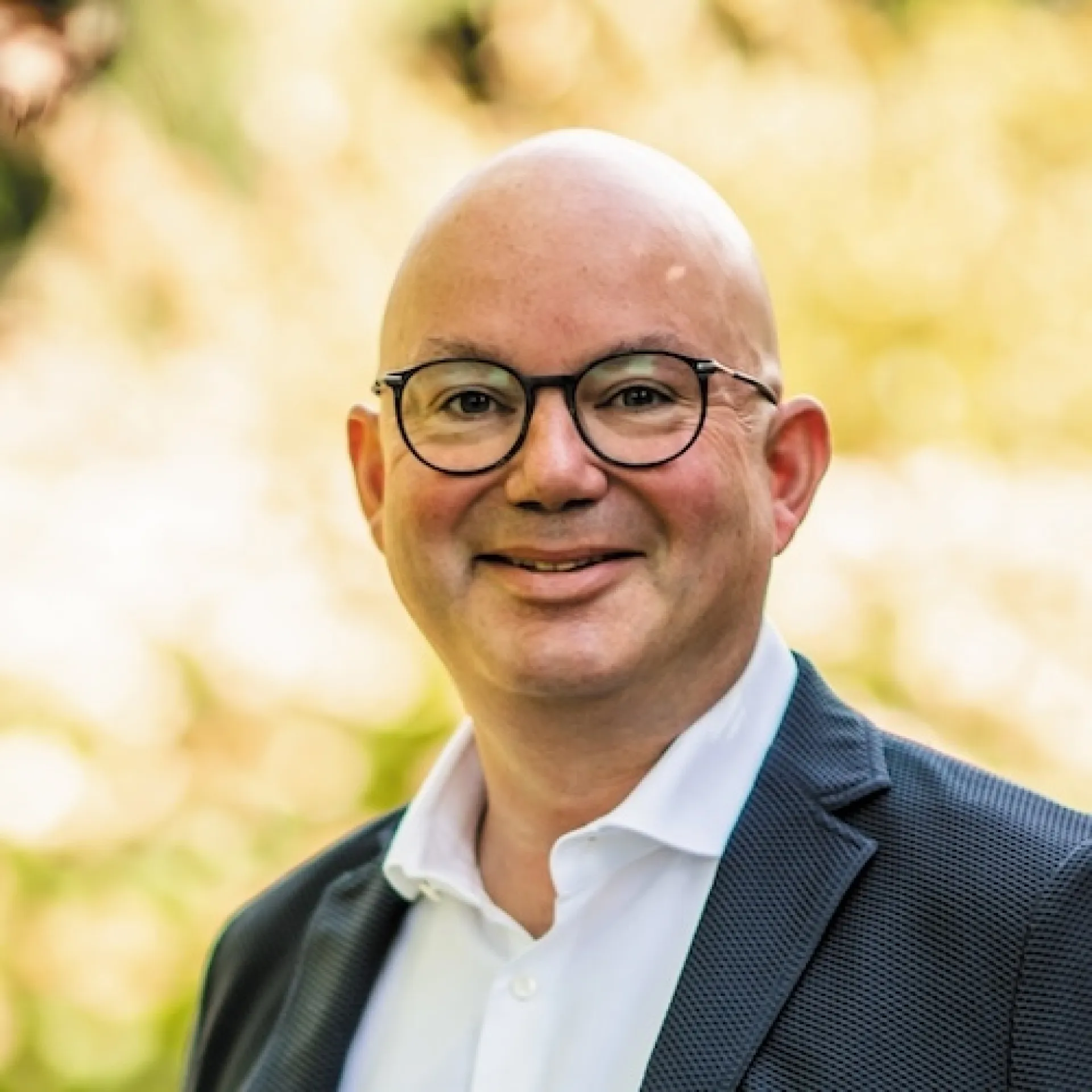
To reinforce EUR’s mission to create positive societal impact, the temporary role of Strategic Dean Impact & Engagement has been created. This role was taken up by Prof. Arwin van Buuren on April 1, 2024. In his new role, he will further drive the EUR-wide impact strategy, ensure connection, and report on its progress.
Additionally, we are currently working towards an internally oriented engagement board and an external societal advisory board. To further ensure that impact is embedded within our organisation more sustainably, various Schools have established governance for impact in a way that resonates with their respective cultures and specialties. By establishing impact governance both at the central and School level, we are working to further embed our impact ambitions in our strategic decision-making, explicitly defining the responsibility for the portfolio on engagement and for the overall impact ambition. Some examples of how this governance has been established School level are highlighted here:
Establishment of leadership roles to integrate societal impact and engagement
Within ESE, engagement is one of the four domains outlined in their Strategic Plan, alongside education, research, and operations. This signifies a fundamental shift in mindset and working practices. In September 2022, a Director of Engagement at ESE – Dr Bas Karreman – was appointed to help facilitate this shift and serve as a focal point for the School’s societal impact-related work; act as a liaison with affiliated companies; provide advice to the management team on matters of social impact; and foster an impact-oriented community including alumni, academic partners, and stakeholders from the public and private sectors. To support the Director of Engagement, policy advisor for engagement Nina Escrivá Fernandez MSc was hired in September 2023. Their most recent Impact Day Energy Transition in May 2024 showcased how academic insights and industry practices can jointly drive the energy transition.
ESL also established governance for impact with a strong focus on engagement. Several years ago, they appointed a Vice Dean of Impact and Reputation, Prof. Philip Hans Franses. This role shows leadership of the School in these specific topics and makes related initiatives more visible. ESL naturally has both feet in society and is driven by creating impact through their research and education. However, for ESL, it is important to further this impact through engagement. To shape this engagement even more clearly, it is also the task of the Vice Dean to encourage employees of ESL to make the impact they create visible to the outside world. In practice, this has manifested in several ways and through several themes. A good example of the Vice Dean of Impact and Reputation contribution is the focus on improving ESL’s science communication. By encouraging and enabling their researchers to be active in the public debate and communicate about their research, they have not only substantially improved the number of readers about ESL’s (scientific) news as well as the time they spend on each webpage but also successfully contributed to the public debate through news outlets.
RSM is also working to integrate the engagement of the School and in further enhancing the societal relevance and impact of its scholarly research. A primary medium for this has been the creation of a dedicated engagement team. The position of Dean of Engagement & Partnerships was created in January 2021, a role tasked with fostering a School-wide culture that supports, promotes and values engagement activities. The position has recently been filled by Dr Mirko Benischke (June 2024). Also, at the end of 2021, the School appointed August Papadopoulos MA, to offer more structural support for engaging academics. August, together with Policy Director Wilfred Mijnhardt MSc, and Positive Change Director Eva Rood, complement the Engagement & Partnerships Deanship from a professional services point of view. In 2023, Edinburgh Business School, Heriot-Watt University (EBS-HWU) offered Mijnhardt an Honorary Professorship, recognising Mijnhardt’s substantial contributions to the advancement of the international business education sector during his career.
Professor of Erasmian Values: Facilitating value-driven work
For ESPhil, it was important to facilitate value-driven work throughout EUR in order to seek connections, drive social engagement, and stimulate the development of an open-minded perspective and thus an open society. With the Erasmus of Rotterdam research Centre (ERRC), the EUR spearheads national and international debates on social values within organisations as well as in society at large. In affiliation with the ERRC, Prof. Ronald van Raak was appointed as a Professor of Erasmian Values focusing on questions concerning academic integrity and trust in science. For van Raak, it is really about the content when it comes to EUR creating positive societal impact:
‘What are the limits of academic freedom? To what extent may commerce be of influence in science? Why is science more than simply an opinion?’ These are the questions that a university community should tackle to determine its place in society. Erasmus University can draw inspiration from its namesake here, and from the values this great European thinker stood for.
Together with Prof. Han van Ruler, Van Raak has worked to establish the ERRC for the study of Erasmus and Erasmian Values and to integrate the values-driven view on education, research and work across EUR. Through the work of the centre and the professorship on Erasmian Values, we have learned that value-driven discussions work very well to address the challenges and dilemmas that scientists, staff, faculty, and students experience in their work. To further stimulate this, the Professorship will continue alongside the ERRC. In this capacity, they will work on the future development of values theme to the theme of societal roles, on EUR course development on Erasmus and value-driven learning, on course development for external parties with the help of the Knowledge Transfer Office or ERSB, and on broadening the academic basis for ERRC.
Fostering an environment for impact
Instrumental to the operationalisation of our impact ambitions is fostering an environment that enables and promotes impact. As such, we are working to enable a (physical, cultural, digital, work, and study) environment that is safe, pleasant, motivating, sustainable, and lives and breathes impact. Instrumental to this environment are the professional services across EUR and the Schools. Throughout the past years, we have implemented several initiatives to foster this environment, some of which are highlighted here:
- Advancing a socially safe environment
- Project FOCUS: Cultivating constructive conversations in Healthcare
- Supporting students and employees to reach their full potential
- Fostering the ultimate learning environment
- Contributing to knowledge development and dissemination within EUR and across the educational sector
Advancing a socially safe environment
For HR, fostering an environment for impact means ensuring that people are central to all of EUR’s units. Not only should we create positive impact with society; we should recognise EUR and its people as part of society. All our colleagues and students benefit from the impact we create and should feel involved in the organisation and its goals. Everyone should be enabled to contribute, thereby creating further impact. HR translated EUR’s central mission to three ambitions focused on EUR being a great place to work, offering excellent HR services, and being a catalyst for improvement. These ambitions have been translated to eleven HR initiatives—which should lead to (even more) engaged and enabled (and impactful) employees. To keep track of how we are doing on Engagement & Enablement (E&E) HR uses the E&E scan, from which it derives data and guidance on themes that need more work, and which preconditions employees need to create impact.
A socially safe environment is a precondition for culture change and at the same time a culture change in itself. To foster a socially safe environment, HR has set up several initiatives, such as Mindlab, a safe@EUR (links go to my.eur.nl) counter, and guidance in case of absence. EUR believes in the success of diverse teams. HR promotes inclusiveness and diversity through all their tools and processes, including trainings and policies. Moreover, in line with our goal of being a university characterised by diversity and inclusiveness, we want to provide opportunities for people with a functional impairment and therefore want to fulfil the requirements of the job agreement (NL: Banenafspraak). This is a university-wide responsibility, which requires commitment and effort from all Schools, organisational units and departments. HR has enabled this through central funding, guidance, training, and recruitment monitoring.

Project FOCUS: Cultivating constructive conversations in Healthcare
In today’s fast-paced healthcare environment, effective communication is essential for maintaining productivity and job satisfaction. Recognising this need, Project FOCUS—Flourishing Diversity through Constructive Conversations—aims to equip its workforce with essential mediation skills that foster a positive and supportive workplace atmosphere.
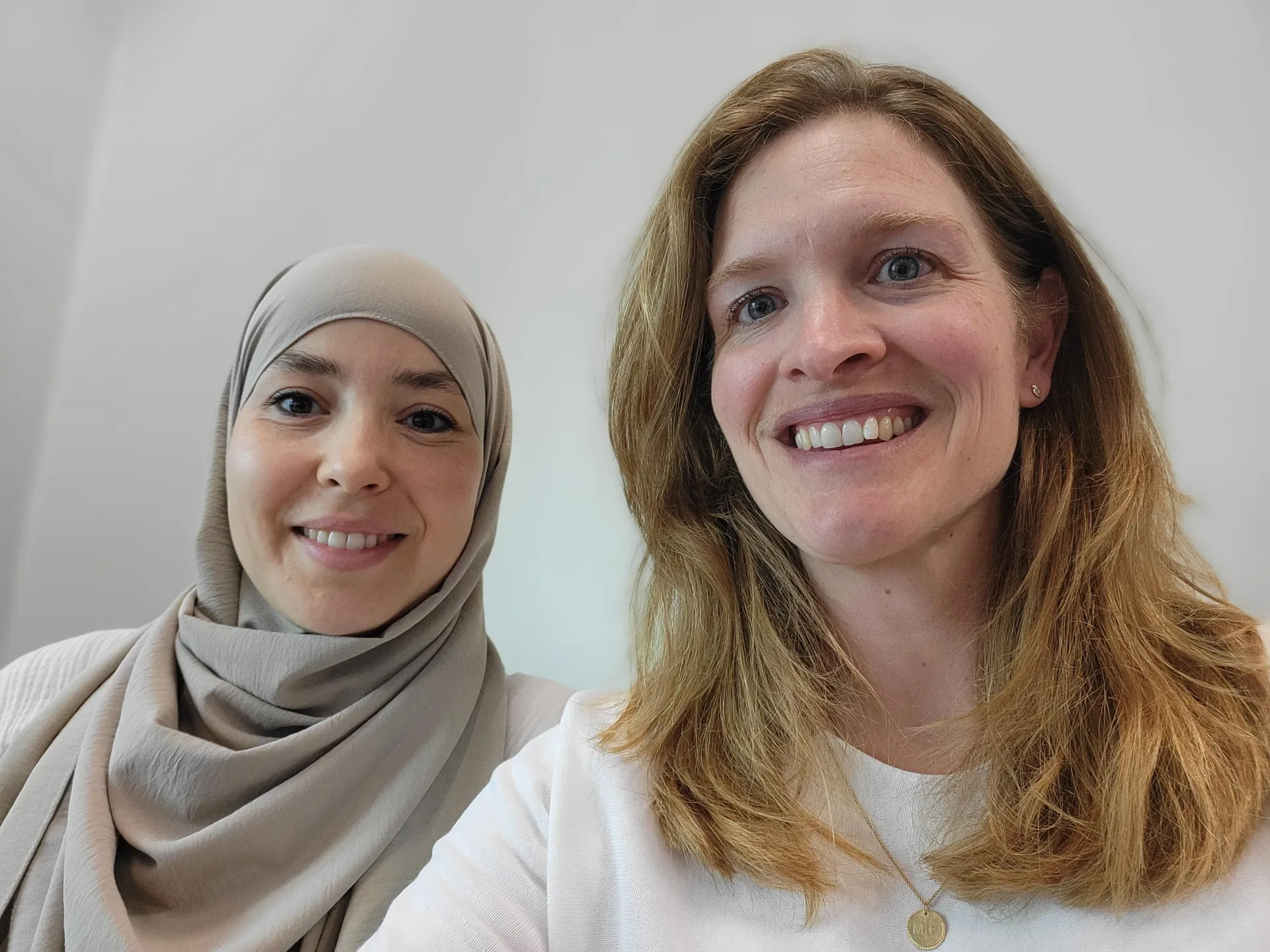
Madzy Maljaars-Hendrikse MSc (Internal Mediator, PhD Candidate) and Wassima Daoudi-Ajarai MSc (HR Advisor), the passionate minds behind Project FOCUS, have driven the initiative with a deep intrinsic motivation to support their colleagues. They believe that ‘every employee benefits from a positive work atmosphere’. The project aspires to equip individuals with the right skills to improve conversation quality and to address friction immediately, which is expected to have a positive impact on the mental vitality and resilience of employees, contributing to a healthy work environment. Ensuring the effectiveness of these interventions through continuous evaluation is Prof. Hugo van der Kuy. Additionally, a statistician is involved to analyse the outcomes, and this project is done in collaboration with Zuyderland MC. The project aims to deepen its scientific foundation through measurement and evaluation. By documenting outcomes and refining methodologies, Project FOCUS seeks to contribute valuable insights to workplace communication and conflict management.
E-learning and tools for professionals
Initially implemented as a classroom-based training programme Project FOCUS has evolved into a compact and scalable e-learning format that equips professionals with accessible tools to navigate complex interpersonal dynamics. The project originated from a collective desire to reintroduce mediation skills into daily operations, recognising that small irritations in the workplace can easily escalate into significant conflicts if left unaddressed. But how do you recognise those signs, and how do you address them effectively?
The training encourages colleagues to discuss various starting points of conflict and possible proactive interventions to ensure that issues are de-escalated at the first signs. This proactive approach is a major focus of the training, aimed at preventing minor irritations from growing into workplace conflicts. A participant notes, ‘The most important lesson I took away from the e-learning was: Be alert to what lies beneath the surface. Don’t let a fish become a shark.’ This training is designed to help participants acquire valuable skills in conflict resolution and effective communication, ultimately creating happier employees—an outcome that positively impacts team cohesion and productivity.
Strengthening organisational resilience
The project's approach benefits not only individual well-being but also strengthens organisational resilience—a critical factor in healthcare settings where effective teamwork is paramount. When assessing the effectiveness of the e-learning phase, the feedback emphasised the importance of practical application and interactive learning. This feedback prompts the development of a hybrid model that blends online modules with facilitated discussions and simulations, aiming to find the best middle ground in the next phase. This development aims to further embed mediation skills into daily practices, ensuring sustained benefits across departments and healthcare settings. Although the project was born out of the healthcare sector and is tailored to meet the needs of this audience, the skills imparted are believed to be adaptable to any environment. Daoudi-Ajarai notes, ‘It’s widely applicable; wherever people are working together, it’s relevant’.
By equipping employees with essential communication skills based on mediation skills, the project enhances individual well-being and organisational resilience—a testament to the transformative power of constructive dialogue. Van der Kuy encapsulates the project’s essence:
Care is teamwork, not just in providing care, but in conducting research and teaching as well. Our society increasingly values teamwork, and the beauty of this initiative is its multi-layered impact. The most crucial layer is the two individual employees who learn to communicate better with each other, which significantly enhances workplace happiness. When team members are not in conflict, everyone benefits—including team managers and the overall productivity of the team.
Supporting students and employees to reach their full potential
Education & Student Affairs (E&S) contributes to an environment made for impact through their support and guidance for students, helping them achieve their potential. One of the ways in which E&S has worked to improve their student support is through the deployment of student guidance counsellors with a focus on specific themes. Specifically, these guidance counsellors offer specialised support on specific themes, such as international students, studying with a disability, finances, prevention, and diversity and inclusion. E&S has also started a pilot with a health coach. By focusing on these themes, E&S ensures that the chances of study success for students are increased. Moreover, by making it financially attractive for international students to acquire a basic level of the Dutch language, E&S works to contribute to a higher stay-rate of EUR’s international students.
E&S has also invested in a more inclusive Eurekaweek, which has led to greater diversity in the programming, allowing smaller student organisations to present themselves to new students. The annual process of recruiting and selecting the team that organises Eurekaweek has also been reviewed and adjusted in collaboration with IDEA to make Team Eureka as diverse as possible. E&S has also established and launched a Core Team for Acute Crisis Areas in 2023. This team ensures that students (and employees) receive the right support to continue their studies in the event of an acute crisis abroad. In addition to their support for students, E&S supports academic staff across Schools, so they can focus on teaching and research in the best way possible.
By giving employees room to develop, E&S aims to create room for impact. Toward the future, E&S intends to continue along their chosen path with an explicit focus on a pleasant, safe, and motivating working environment in which colleagues thrive and enjoy their work, and students enjoy a smooth study period. To further enable this, E&S intends to continue to seek and further strengthen collaboration with colleagues working within the Schools.
Fostering the ultimate learning environment
Offering the ultimate learning environment in which researchers, teachers, students, and employees feel comfortable and are encouraged to create impact is at the heart of what Real Estate and Facilities (REF) does. REF contributes to our learning environment in many ways. By working on physical accessibility, but also in demonstrating that everyone is welcome, for instance with the realisation of the rainbow pedestrian crossing on campus Woudestein. REF also aims to inspire and excite students and researchers by providing a stimulating environment, through their management of the EUR art collection. REF offers a sustainable environment by building or renovating buildings according to the BREEAM standard, making them an example for other real estate parties. They also include sustainability requirements in their tendering requirements, which encourages EUR’s suppliers to become even more sustainable. Sustainability has been part of REF’s purchasing policy in 2021, and in 2023 an EUR-wide framework was established around six sustainable procurement themes: Climate, Circular, Chain Responsibility, Diversity and Inclusion, Social Return, and Environment and Biodiversity.
There have been some challenges in adhering to these new guidelines. While REF’s work requires them to plan ahead, unclarity about what is sustainability and inclusivity—and which choices the university should make there—often results in ad hoc decision-making. Often, once policies for impact are put in place, executing them regularly evoke resistance from staff or students in their implementation. Measures that are taken to create impact for different reasons can be conflicting as the most inclusive choice is not always the most effective or efficient one. And the most efficient choice is not always the most sustainable one. When initiatives come from outside REF’s department, often REF is not involved from the start. This may result in decision-making that affects their work without REF having a chance to think about solutions. A challenge for REF here is to anticipate more, rather than putting out fires. By getting involved at an earlier stage and being more flexible, they can better tailor their services to the needs of end-users. In the end, REF highlights that research and education are the most powerful way to create societal impact as EUR. Enabling this, through an inclusive, stimulating, and effective learning environment, is their main goal. Campus Woudestein can be a perfect testing ground for innovation—more than it is now. To establish this testing ground, REF is open to innovation and new partnerships.

Contributing to knowledge development and dissemination within EUR and across the educational sector
Erasmus Digitalisation & Information Services (EDIS) has set itself the goal to strengthen EUR as a knowledge centre at the heart of society, by guiding and supporting the university in a responsible digital transition. EDIS wants to inform all colleagues about the opportunities, possibilities, and threats of new technological development while also making digitisation available to them in a responsible and sustainable way, tailored to the needs of the organisation. Think, for example, about the opportunities Generative AI offers for our education, research, and business operations. Departing from EDIS’ various areas of expertise (including privacy, security, archiving, digital architecture, information management, and IT professionals), they track and assess these technological developments’ potential contribution to our organisation’s needs. Together with information managers from other services and the Schools, promising developments are converted into investment proposals aimed at making this technology available within the framework of law and regulations and our Erasmian values.
Students, lecturers, respondents, researchers, staff, partners, guests; they all must be able to trust that EUR handles their data safely and responsibly. To this end, policies have been drawn up in the areas of information security, privacy, and documentary information management. Framework statements in these policy documents apply to both the primary and secondary use of data. The soon to be launched EUR-wide Data Strategy will also provide input to EUR-wide guidelines for the safe and responsible development and deployment of (AI-)algorithms. Moreover, to speed up and guide EUR in the global digital transformation, a cloud strategy has been developed that offers guidance for modern IT services. The aim is to be able to respond quickly to and benefit from developments.
EDIS also creates impact more directly by contributing to knowledge development and dissemination across the educational sector. Key contributions include their contribution to the SURFaudit review framework—which helps educational institutions protect and improve the security and continuity of their business data—and to SURF’s International Data Transfer Assessment Framework—which supports educational institutions in their considerations regarding the sharing of personal data with third parties outside the European Economic Space. Moreover, in collaboration with SURF and NPULS, EDIS works to develop an Algorithm Register for the entire educational sector. The register should make an important contribution to making the application and outcome of algorithms transparent and explainable. Additionally, EDIS has been involved in creating the Data Science Governance framework, which describes how—in several process steps—an organisation can arrive at a safe and responsible deployment of algorithms compliant with laws and regulations and prevailing ethical views. One of EDIS’ employees is also part of the project team for the NRO (National Coordinating Body for Educational Research) project ‘Ethical framework for experiments with AI in education’, which works on developing and testing a framework and procedure by which ethics committees can better assess the risks of unpredictable, intelligent technology.
Looking toward the future, there is an increasing need for flexibility within both education and research. Students are encouraged to pursue education at multiple, different educational institutions and professionals to pursue short-term education as part of their Lifelong Development. To keep up with these ever-evolving needs, EDIS constantly updates EUR’s technological infrastructure and offers tailor-made support. A good example is the Erasmus Studio, not only a valuable contribution to the continuity of education during the COVID pandemic: it is increasingly being used to expand online education. Another example is their supporting role in ESSB’s newly developed lessons for primary school pupils (groups 6 to 8) to introduce them to science and teach them about the brain and mental health. This series is called ‘what happens inside my head’ (NL: wat gebeurt er in mijn hoofd?) and more information can be found on their website. Moreover, to meet the increasing need for multi- and interdisciplinary research, identity and access management is a prerequisite. This concerns both the process and an application to reliably establish digital identities and provide controlled access to EUR information systems and data. This, together with the increasing use of technology in research more generally, requires that the EUR infrastructure is linked to national and international infrastructure. This way, researchers feel well supported using state-of-the-art technology (think of storage of large amounts of data, or deployment of unprecedented computing power). Moreover, in line with EUR’s strategic goals, EDIS also pays attention to the sustainability aspect in their plans for the (further) development of this infrastructure. Migrating data storage from the campus to a shielded cloud environment can save up to 30% of energy. Longer use of computers and phones (five instead of four years) also contributes to reducing digital waste and saving rare materials.
Sustainable development
An important spearhead for EUR’s societal impact is sustainability: we want to incorporate sustainability into the very DNA of the university. As a university, we work to contribute to a sustainable future globally. We do so through our education, research, and engagement and by embedding it in our organisation. Our ambition is to be one of the most sustainable universities in the Netherlands. In February 2023, by underlining the climate emergency, we showed our commitment to further accelerate our sustainable ambitions. We are working hard to achieve this and are aware that there are things we can and should improve. Becoming more sustainable is an ongoing process that requires us to reflexively engage with how we do things and to be open to learn from our students, staff, and society. In recent years, numerous students and employees at EUR have passionately advocated for a more sustainable university. Below, we highlight some examples of how EUR has worked to contribute to sustainable development.

EUR Sustainability Dialogues
Aiming to connect and enlarge this group within the university, and in response to student-led movement Occupy EUR, we organised twelve university-wide dialogues on sustainability in 2023. These dialogues were intended for and well-attended by both students and staff. In total, over 500 staff and students contributed their ideas to set new standards for sustainability at EUR. All Schools hosted dialogues tailored to School- and discipline-specific sustainability challenges. The dialogues were prepared, organised and followed up by staff and students from each participating School. Content and organisational support came from DIT and the Erasmus Sustainability Hub. The school-specific set-up also ensured that the dialogues were linked to ongoing sustainability initiatives at the Schools, ranging from established sustainability experts, existing workgroups, or even full sustainability programmes. Moreover, a multidisciplinary team hosted three cross-School dialogues revolving around sustainability topics that impact the entire university.
The topic of sustainability sparks diverse and sometimes conflicting opinions at EUR. Nonetheless, each School’s Dean and the University Board have committed to integrating insights from these dialogues into sustainability strategies across individual Schools and the university.

Sustainable renovation of the campus pond and Tinbergen Building
On the road to a more sustainable future, several initiatives have taken place on Campus Woudestein. One very tangible example is the long-planned renovation of the campus pond, carried out in 2024. The renovation was a great opportunity to make the pond more compatible with its natural surroundings. EUR asked an ecologist to advise on adjustments, to promote biodiversity on campus. Together with the ecologist and the Municipality of Rotterdam EUR has transformed the campus pond into a place in which biodiversity can increase rapidly. Another example of a renovation that reiterates EUR’s ambitious sustainability programme, is the renovation of the Tinbergen Building. The much-needed renovation, started July 2024, will result in a building that will feature improved roof and floor insulation, energy-efficient elevator systems, and solar panels on the roof. It has also been agreed with the contractor that materials removed during the renovation will be reused as much as possible.
Lessons learned and future directions
Throughout these efforts to operationalise our impact ambitions across EUR, we have gained some important lessons that can guide our future and further enabling of impact across our university. One lesson is the importance of translating EUR’s impact ambitions and goals into the context of the different Schools and services. There can be a significant gap between the overall EUR strategy and the daily reality for academics and professionals within a School or service. Therefore, translating impact ambitions into differing contexts is both necessary and enriching. The EUR definition framework has proven a suitable basis for this, and the central-level support offered by strategic projects further enables this translation.
For central-level support services and projects, it is vital to be mindful of the School context, culture and tradition when collaborating with them. Embedding the activities of this collaboration at the department-level lowered the threshold for academics to participate in them, which was vital in translating the EUR-wide impact ambitions into the context of the Schools. When translated to that context, impact does not diminish the importance of research, education, or engagement activities but becomes an important driver for the way in which we engage in these activities.
Importantly, while impact is valued, activities that result in high impact but do not directly fit into existing appraisal systems are currently not always recognised, rewarded, or incentivised. Shifting to an impact-oriented university therefore requires the translation and application of new insights into many structural processes and policies. Modernising the system for recognising and rewarding (academic) staff is a challenging task. It requires support, commitment, endurance, and opportunities to experiment and improve. Changes in behaviour take time and can be difficult to indicate. Transformations that we would like to make, are operationalised in several parts within the organisation, and are largely influenced by (inter)national factors. This makes the R&R change a challenging one that we can only accomplish by working together at a local and (inter)national level.
The role of (senior) leadership is inevitable in modelling behaviour to those who are the future of academia. We have learned to strive for integration of the various ideas behind R&R and offer a tailor-made and user-centred approach. Academics are cautious about their workload and the freedom to engage in impact activities is often tied to job security. We found that they are most receptive to approaches that fit their environment, discipline, and culture. This is a challenging route to take, but it pays off. In the upcoming years, EUR will continue to implement R&R within the organisation. The idea of ‘creating room for everyone’s talents’ will keep playing a central role. In this way we contribute to the organisational transition to become an impact-driven organisation.
We have also experienced that creating impact is a team effort. An impact-driven university asks for new forms of collaboration between academic and professional staff: more equal, more timely, more structural. This requires us to translate our mission and impact into the daily reality of everyone within our university and to communicate clearly about everyone’s role within this impact-driven university. Moreover, once policies for impact are put in place, executing them regularly can evoke resistance in their implementation. Measures that are taken to create impact for different reasons can be in conflict with other priorities. A challenge for our professional services here is to anticipate more, and for our leadership to include these services into the decision-making process earlier.