Co-creating and mobilising our research
Our research is driven by the curiosity of our respected academic staff and the societal challenges we face today and is marked by a strong focus on quality and relevance. With a research portfolio that features the full spectrum of fundamental, applied, and practice-based research, we strive to work with partners from many sectors to face the ‘wicked problems’ of today and tomorrow. In recent years, the benefits of our long-standing dedication to providing researchers with the necessary resources and assistance have become increasingly evident. In this section, we have shared some examples of the impactful research we are working on at EUR. We hope you will be inspired by the stories of our researchers, how they engage in transdisciplinary research – with other academics and stakeholders outside our institution – and how they are increasingly supported.
Advancing inter- and transdisciplinary research
The problems we face today are complex, so creating societal impact often requires inter- and transdisciplinarity. Strategy 2024 built upon previous efforts in tapping into our unique interdisciplinary potential. Building on excellent research in individual disciplines and reflecting EUR’s academic and societal strengths, we join forces within and beyond disciplines for science that matters. Hence, the Erasmus Initiatives (EIs; originally referred to as ‘flagships stimulating interfaculty collaboration’). Focused on creating an environment for fruitful inter- and transdisciplinary work since 2016, each of the four EIs have—in their own way—managed to go beyond their constituting Schools and to expand to a wider range of Schools.

The Erasmus Initiatives are four ambitious programmes that streamline our academic activities to increase the social and economic impact of our work. Read more about the four EIs:
The EIs - Dynamics of Inclusive Prosperity, Smarter Choices for Better Health, Vital Cities & Citizens, and Societal Impact of AI - have each focused on creating a culture of mutual respect for, and trust in, colleagues with different professional practices, backgrounds, affiliations, and academic ranks. Their ‘safe spaces’ allow participants to absorb and deal with the many challenges and hurdles of working in an interdisciplinary way. Working across disciplines is challenging. It forces researchers to consider new theory and paradigms from outside their own discipline, as well as to critically challenge their own paradigms. This deliberate method of working has led to the creation of original knowledge, which otherwise would not have been possible in a monodisciplinary context.
The combination of an interdisciplinary and intersectoral approach has helped gradually develop more impact around important societal urgencies. By focusing on creating reciprocal relationships with various stakeholders in our research, we show that we take being an ‘engaged university’ seriously. For example, three of the EIs initiated a collaboration with EUR’s ‘Evaluating Societal Impact’ project (ESI) by hiring a shared postdoc to study the impact of the EIs. Furthermore, the significant societal relevance of the topics which the EIs study amid an increasingly polarised world where the opinion of academic scholars is decreasingly taken at face value have led to controversies. Therefore, more than the average researcher, the participating academics in the EIs had to develop their skills to take on questions in the broader societal debate. In terms of efficiency, the EIs have managed to generate tangible added value, regarding academic as well as impact-oriented results within the allocated budget.
Dr Shiwei Chen from EUR is researching societal impact efforts from the principles of the EIs. Vital Cities and Citizens (VCC), one of the EIs, aims to enhance urban life by addressing societal challenges like inequality, diversity, and digitalisation, Chen shares: ‘A key focus for VCC is critically evaluating academic research approaches to better understand and develop societal impact research practices. In that process, they are guided by seven core values: inclusiveness, sharing, justice, commitment, reciprocity, empowerment, and reflexivity’.
> Read more about what VCC accomplishes with these guiding principles
In an increasingly polarised world, where the opinion of academic scholars is decreasingly taken at face value, we have seen the need for Science Communication, especially where it concerns attracting external partners and funds, to set up long-term collaboration. Having more dedicated professional support not only for communications but also for areas like Finance, and HR is instrumental for interdisciplinary, impact-oriented work (as it often differs from monodisciplinary education and research).
Through their work, the EIs have consolidated a blueprint for an effective approach to inter- and transdisciplinary work that combines top-down guarantee of funds to create ‘space’ (i.e. a clear strategic choice) with a bottom-up personal long-term commitment of suitable researchers to jointly selected research topics. The EIs have mainly involved early- and mid-career scholars who are, based on their new experiences and network, well equipped to evolve into the academic leaders of tomorrow.
At EUR we have more examples of inter-and transdisciplinary research. Look at some of our examples.
The Well-Being Indicator considers us all
To live a long and healthy life, accessible and quality healthcare is essential. Yet, many countries still face significant challenges when it comes to delivering and paying for high-quality healthcare. There are also vast differences in health and life expectancy between and within different sociodemographic groups. To make healthcare systems more fair and (cost) effective, academics from health economics, behavioural economics, public health and international healthcare joined forces in the EI ‘Smarter Choices for Better Health’ (SCBH).
An important challenge for economic evaluation studies is measuring the full benefits of a project or policy under consideration. In the healthcare sector, economic evaluation studies commonly use health or health-related quality of life as the outcome measure. This may fail to fully represent the benefits of essential healthcare interventions, such as elderly care, social care and palliative care. As a result, part of the benefits of such interventions remains unaccounted for, potentially leading to underinvestment in these areas. To tackle this issue, four academics from ESHPM, Dr Daphne Voormolen, Dr Judith Bom, Prof. Job van Exel, Prof. Werner Brouwer, and Prof. Esther de Bekker-Grob from SCBH developed a way to measure the benefits of projects and policies in terms of well-being: the Well-being instrument (called WiX). This measure is grounded in the main theories of wellbeing and mixed-methods research into what adults in the Netherlands consider important for a good life. Currently, the team is collaborating with Sint Fransiscus Gasthuis to test the Well-Being Instrument in a clinical environment.
The opportunity map: highlighting the discrepancies in health based on socioeconomic upbringing
Another initiative from SCBH is the ‘opportunity map’. Dr Bastian Ravesteijn, Helen Lam MSc, and Dr Coen van de Kraats, from the SCBH health equity team, have documented the relationship between Dutch children’s circumstances and connection between socioeconomic upbringing and health outcomes. These results have been made available to the public through the website kansenkaart.nl. The map shows where the inequality of opportunity in the Netherlands opens up a wide variety of health and socioeconomic outcomes. This clear overview has not only drawn the attention of Dutch media but was also used for reports from the four largest Dutch municipalities, the Social and Economic Council (Sociaal-Economische Raad) and several other important governmental institutions and agencies. To further facilitate policymakers and the public, and to make these important statistics on the state of inequality of opportunity in the Netherlands widely accessible, the team is currently building a dashboard (kansenkloof.nl).
Wijkwijs: From citizen science to citizen engagement: solving citizen research fatigue
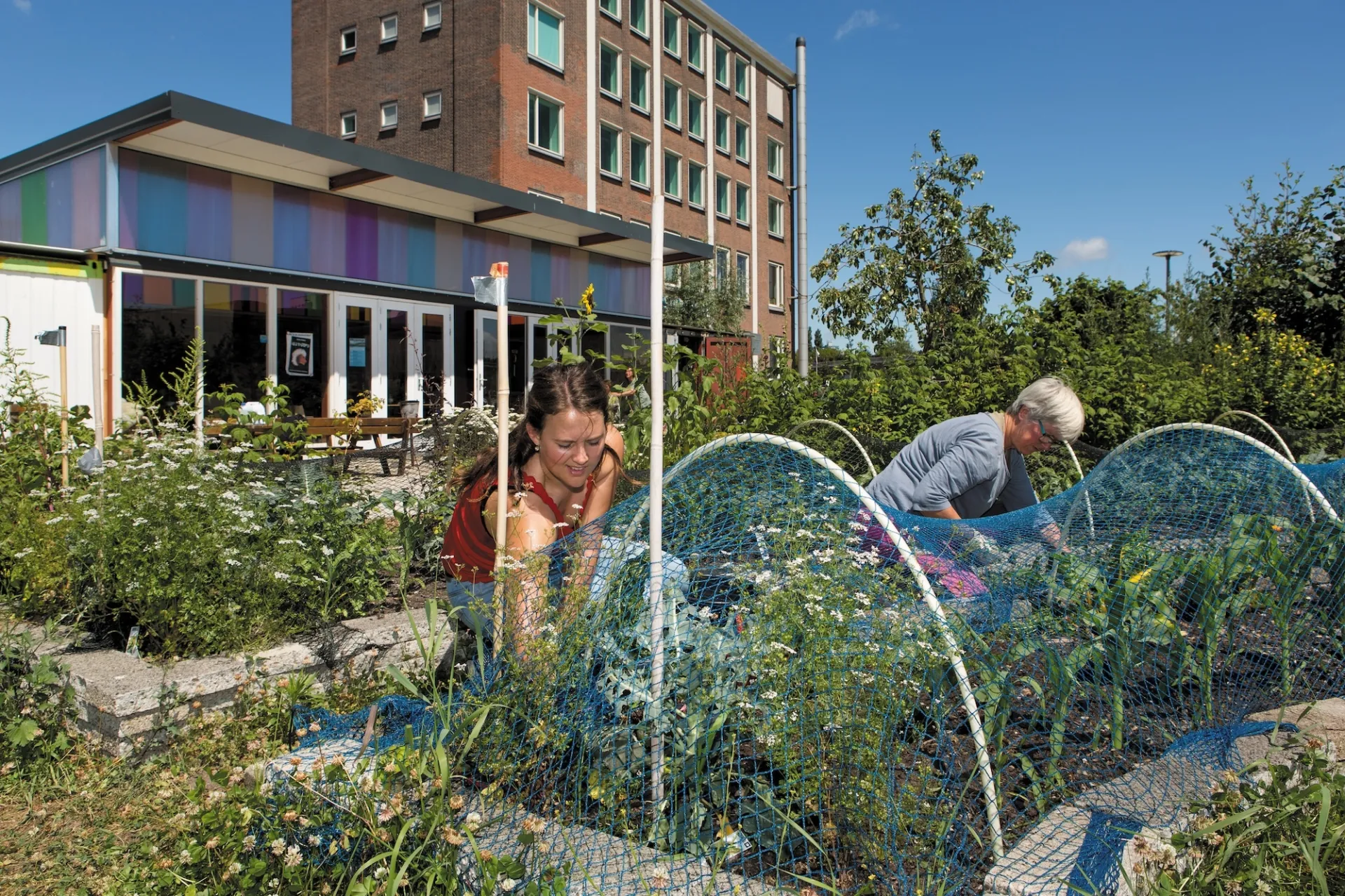
'Wijkwijs' (EN: being familiar with the neighbourhood) is a collaborative initiative of the Erasmus initiative VCC and Convergence initiative ‘Resilient Delta’ (RD). This community research hub aims to enable citizens and local societally engaged organisations to play an active role in research, moving beyond traditional engagement methods and partners. Doing so, Wijkwijs aims to reduce and prevent research fatigue by meaningfully contributing to communities through their work on themes and issues that matter to them, such as access to healthcare, dealing with climate change or mapping the role of local initiatives. Prof. Jurian Edelenbos, academic lead of VCC and one of Wijkwijs’ initiators, emphasises ‘civic engagement’ rather than traditional ‘citizen science’: ‘We do not see citizens as objects of study or as data providers in an already predesigned research project but as partners who are actively involved throughout the research process. This can entail anything from defining a problem to interpreting data’. Wijkwijs researcher Seline Westerhof MSc, notes:
Creating space to build something together helped to get people excited and to build trust.
How we do it: giving back
One of the core values – which the programme team and researchers continuously reflect upon – is ‘reciprocity’, meaning that researchers not only collect data but also actively contribute to the needs of the community. Reciprocity can take different forms and have varying impacts, including payment for participants or volunteering for the community. It also means researchers being flexible, responsive, and open to the community’s needs, while maintaining academic rigour. Edelenbos shares:
We put the citizens at the centre, but at the same time try to stick with our own values. It is important to combine your scholarly knowledge with the capacities of the community. This enables you to be reflexive. That does require flexibility, because it may well be that you must adapt your research question.
An example is the Data Donation initiative in Vreewijk and Afrikaanderwijk for which Dr Ir. Els Leclerq and Dr Ir. Emiel Rijshouwer are researching how residents define and experience well-being, Edelenbos explains:
While departing from the question of what people want to share and how, people in Vreewijk voiced a need for an overview of where to go for care. This enabled the researchers to create a map of local informal care possibilities. That way, you immediately bring something that is wanted by the community. In such practices you can already see impact, while in other practices you first need to carefully build relationships before you work towards results and outcomes.
Impact through the relationships you build
That is not to say that this phase is less impactful, explains Westerhof: ‘You cannot just capture impact like it is a final product. It is also in the relationships you build’. Handling these relationships carefully is vital, says Edelenbos:
During the first year, we did not actively communicate about the community research hub. Now, we are ready to talk about our fundamental principles, where we currently stand, and what we deliver. But with everything, we have a learning mindset, consulting with active community members. We are careful in how and what we communicate as we are still in this process of construction, which we do very carefully, step by step.
Wijkwijs fosters flexibility and reflexivity through regular meetings, creating communities of practice. These meetings between researchers and city-makers encourage open discussions about the challenges, lessons, and opportunities they experience through community-based research practices. Discussing these challenges – such as managing inclusivity and power inequalities – can be uncomfortable. However, as Westerhof explains, we can learn from this discomfort: ‘That is how Wijkwijs came to be: From the discomfort, enthusiasm, and the will to really grasp something and turn it around’.
Wijkwijs benefitted from VCC and RD’s strong existing relationships with initiatives, organisations, communities and city-makers across and outside the university, learning from people with different areas of expertise. Edelenbos:
Via the VCC network and community we bring different people together, like the VCC Theme Leads and community researchers in Rotterdam who are experienced to work with local communities in urban environments, not only in Rotterdam but also in other cities in the Netherlands and beyond, like in Nairobi, Kenya. Learning from these experiences helped Wijkwijs grow. It is something from a larger group, which helps us make connections inside and outside EUR. Wijkwijs is a special initiative because it is a collaboration not only between researchers from different disciplines but also with citizens from Rotterdam.
Toward the future, Wijkwijs will continue with the collaborations they have built, ensuring reflexive learning together with citizens, organisations and their communities.

(Re)mapping Rotterdam: bridging perspectives
‘What do civil society actors need from academics to foster meaningful collaborations?’ This question has triggered significant critical reflection throughout the activities of the (Re)mapping Rotterdam project. Led by Dr Maria Schiller and Dr Isabel Awad, the project is part of the Inclusive Cities and Diversity sub-theme within the Erasmus Initiative Vital Cities and Citizens (VCC). Schiller explains how the project came to be:
Isabel had a keen eye on the importance of giving something back to Rotterdam and I was inspired by the opportunity to bring into view the many civil society actors in the city, their networks and connections. We came up with the idea of ‘remapping’ because we realised that while there were a lot of societal actors, there was no comprehensive overview of these actors and limited insights into how they were related to each other and positioned in the overall network in the city.
Creating an alternative city map of Rotterdam
Based on semi-structured interviews and network maps with civil society organisations, the project team (consisting of the two project leads and many talented junior researchers) carried out a Social Network Analysis and created an alternative map that gave visibility to the wide scope of organisations working on diversity and inclusion in Rotterdam. During the interviews, they learned that competition and fragmentation among organisations in Rotterdam is high, thus having a database and a map could facilitate collaboration and connection among those working on similar issues.
This research has been shared in a research article, which was merely the starting point of the project. The main goal was always to engage with societal actors and bring the research to practice. Schiller:
We tried to team up with organisations and empower them to use the insights we collected and the tools we developed – we would like these tools to become useful and used. So, when we did the research, we already had in mind to use this as a basis to create more interactive formats that could stimulate collaborations in the field, which we did with the networking tours and later with the Remapping Rotterdam Forum event.
Networking Tours and Remapping Rotterdam Event
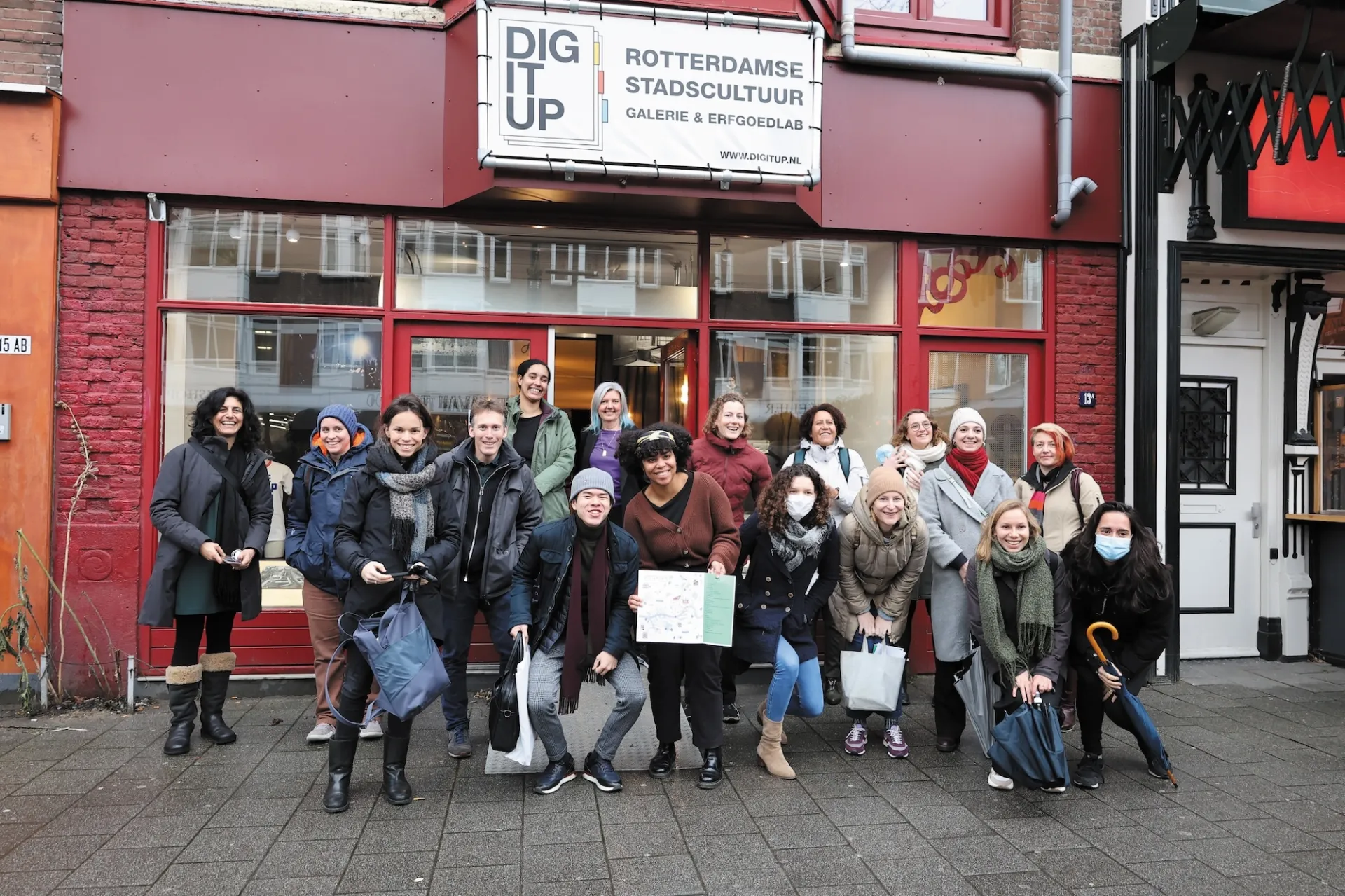
The networking tours of the ‘remapped’ Rotterdam were meant to connect civil society organisations (some of which did not know each other) and researchers from the university. They involved three half-day events, where a group of 20-30 researchers and civil society actors literally ‘toured’ the city, visiting different organisations that presented their work and explained how they contribute to inclusion and social justice in Rotterdam.
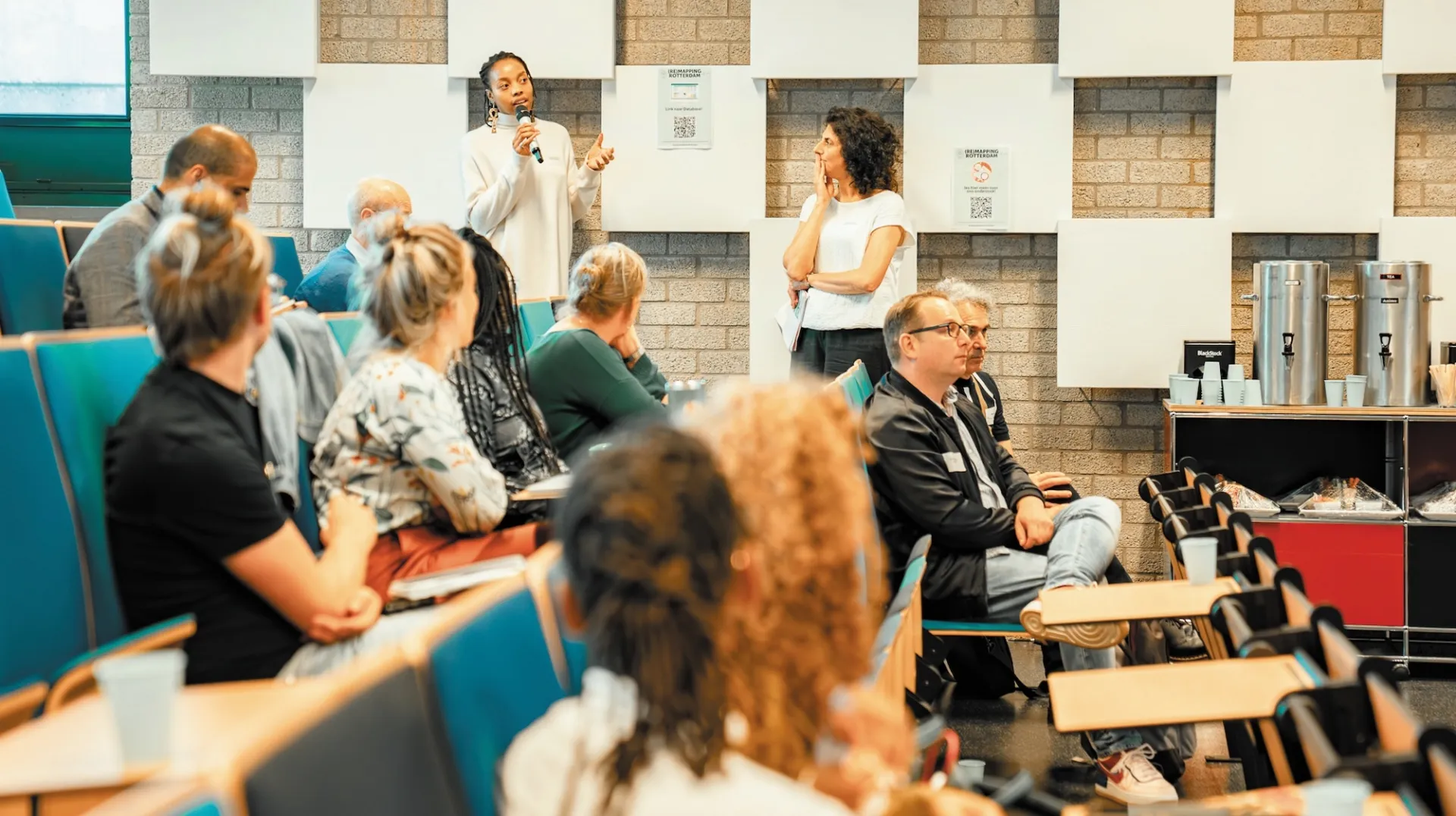
These events significantly lowered the threshold for important dialogues — also about what meaningful connections between actors would entail — and underscored the apparent need for a space that facilitates interaction. It culminated in a final event at EUR, where more than 100 representatives from Civil Society Organisations were invited alongside representatives of the municipality of Rotterdam and external guests from the city of Mannheim.
Among the learnings from these events, Schiller mentions that societal stakeholders had a variety of ideas and strategies on how to collaborate in a more sustainable and meaningful way. Nevertheless, the university must build trust and involve civil society as equal partners because ‘there has been a lot of broken glass in the past, and up until today, we are often extracting knowledge from the city’. After four years of conversations and events, the (Re)mapping Rotterdam project is exemplary in how to facilitate meaningful connections with civil society, having built a large network of people who attend events and are willing to engage in knowledge sharing.
Fostering young talent
As Maria Schiller also coordinates the GMD master’s programme, she welcomes a large group of international students every year and finds opportunities to connect them with the activities of the (Re)mapping Rotterdam project. By involving students via their master’s thesis or recruiting current and graduate students as junior researchers, the project aims to foster young talent and increase the capacity of students to succeed in the field after their studies. Schiller considers that as academics.
the best way that we can have an impact is through our students because they are going to be the future experts and policy advisors in migration and diversity.
Ultimately, on top of establishing meaningful collaborations with civil society, the project has created an internal environment of stimulating, respectful and effective teamwork across various disciplines. This has benefitted the team in many ways and has encouraged some junior researchers to pursue an academic career by way of a PhD, to take up a job in a civil society organisation, or in local government with a focus on diversity and inclusion.
All Eyes on the Amazon: developing relationships with communities
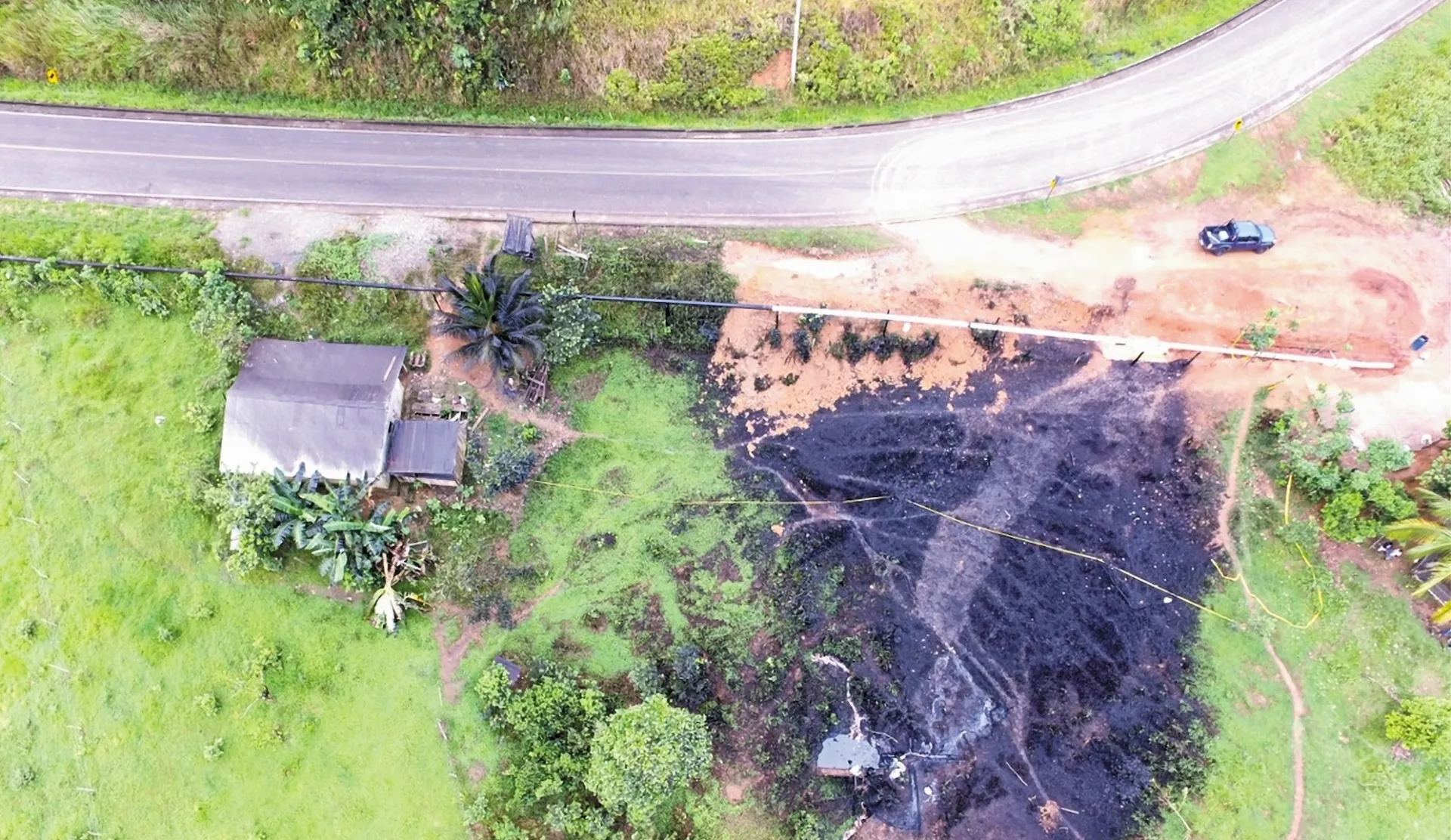
The biological and cultural richness of the Amazon has been increasingly threatened by extractive industries. The All Eyes on the Amazon (AEA) project, active between 2017-2022, had the ambitious goal of not only understanding the impacts of ecological destructive forces but also contributing to reducing extraction and improving conditions for local communities. Funded through a grant from the Dream Fund of the Dutch Postcode Lottery, the project has had major positive impact in the Amazon - across nine (remote) sites spread across Ecuador, Peru, and Brazil.
Long-term, mutually beneficial collaborations
Prof. Murat Arsel and Prof. Lorenzo Pellegrini from the International Institute of Social Sciences (ISS) brought together several national, regional and international non-governmental organisations and academic institutions. Importantly, Arsel and Pellegrini started working together with local and indigenous actors in 2009, and Arsel explains that these long-term, mutually beneficial collaborations have been essential to the success of the AEA project:
We continue to aim to have a long-term relationship with these communities and activists, because that’s the basis of good societal impact. You can’t just fly in and try to do something out of the blue. So, the AEA project began from a long-term collaboration, which from the beginning had a component of working together with the communities and not just doing research about them. [We took] their priorities into account as we defined which questions to ask and how to conduct the study, so that the findings would not only lead to scientific publications but also to results that the collaborators could use. These relationships were essential for us to do good science: without access, confidence, and relationships that benefitted the communities we wouldn’t have been able to understand the reality on the ground for a scientific purpose.
Nevertheless, there are several challenges to achieve successful relationships, as Pellegrini reminds us that
having long-term relationships requires a continuous effort from academics, who need time and resources to keep them alive while also responding to funding bodies who tend to prioritise novelty.
Approaches that empower local actors
With the support of the research team, local Amazonian communities, operated their own monitoring efforts through drones and satellites that document environmental damage. These monitoring practices have documented hundreds of instances of environmental liabilities, which has helped communities pressure corporations to undertake more stringent safety measures, carry out timely clean-up and remediation activities, and alert security forces regarding illegal deforestation activities. Pellegrini highlights:
These were some of the first indigenous groups who were able to use drones to monitor their territory – to have a different perspective on impacts of industries, collect information, and do it in such a way that ultimately empowers these people and communities to have their own strategies to improve the situation. […] This aspect highlights that the relationships we built with local communities and researchers meant that they were able to continue the work themselves and Ecuadorian academics could also continue to apply for grants beyond the project.
In addition to enabling these technological tools, the project provided various forms of training and education on legal aspects of environmental justice, and it facilitated connections between local communities and legal activists to enhance their communication with the responsible authorities, ultimately strengthening their legal and political standing. For example, the Amazon Law of 2018 in Ecuador recognises the importance of monitoring efforts made by local organisations and it made this practice compulsory for all new extractive projects.
Next steps: ‘We keep relationships afloat, but explore new intellectual puzzles’
While the funding for the AEA project has come to an end, Arsel and Pellegrini express that the goals and activities from the project remain, they maintain their connections in Latin America, and they have begun to explore new intellectual puzzles to adapt to the evolving field: ‘For us, the elephant in the room is what happens in these communities when you close the tap and oil is not going to be extracted anymore. What kind of alternative future is there?’
The impact of AEA is layered, achieving an exemplary combination of academic and societal impact that comes from Arsel and Pellegrini’s belief that to achieve successful research insights and publications you must also work on achieving positive societal impact: ‘The two must happen together’.
EPISODE: Improving quality of life
Epilepsy is a serious condition characterised by seizures, in which a person makes uncontrolled movements or loses (partial) consciousness. Fortunately, most people with epilepsy can suppress their seizures with medication. However, there is a small group of people who continue to have regular seizures despite medication and other treatment options. For them, an alternative may be an epilepsy assistance dog. The dogs are trained to recognise the signs of a seizure and respond: for example, epilepsy dogs can be trained to activate an alarm, fetch medication or a phone, or use their body to block movement or safely position the owner. The Ministry of Health, Welfare and Sport commissioned the EPISODE (EPIlepsy SuppOrt Dog Evaluation) project to study what an epilepsy assistance dog can mean for the health and well-being of people with severe epilepsy, and whether the use of an epilepsy assistance dog is cost-effective.
Clear evidence for societal change
Together with her colleagues and several societal partners, Dr Valérie van Hezik-Wester conducted the study, which showed that after one year with the epilepsy dog, seizures were reduced by an average of 34%. During their time with epilepsy dogs, participants had an average of 18 seizures per week, compared to 29 seizures per week in the period before. Seven participants achieved a 50-100% reduction in seizures by the end of the study. The epilepsy dog also led to an improvement in quality of life, both for the participants and their caregivers, van Hezik-Wester shares:
These findings highlight the potential benefits of epilepsy dogs in reducing seizures and improving quality of life in this population. However, we also found that epilepsy dogs are not for everyone, with a quarter of participants deciding that it was better to stop the epilepsy dog trajectory. The potential benefits of an epilepsy dog need to be carefully weighed against aspects that may be experienced as a challenge or burden, such as caring for the dog, the time required to train the dog, and the visibility of the condition when walking around with an epilepsy dog.
The benefit for some participants is already there, and may benefit others, especially if the results are considered by healthcare providers. The research has now been published in scientific journals and has also been discussed in various (international) media. ’The significant costs of training epilepsy dogs are a barrier to their wider use in practice. Most people with epilepsy cannot bear these costs themselves. We hope that the encouraging findings of the EPISODE project will lead to consideration of including epilepsy dogs in reimbursed care packages’, says van Hezik-Wester.
The Rotterdam team consists of Prof. Job van Exel, Dr Saskia de Groot, Dr Tim Kanters, Dr Matthijs Versteegh and Dr Valérie van Hezik-Wester from ESHPM and Institute for Medical Technology Assessment. Other institutions involved in the project are Kempenhaeghe, Stichting Epilepsieinstellingen Nederland, Hulphond Nederland, Bultersmekke Assistancedogs, Open University, Institute for Anthrozoology, Epilepsy Foundation and Epilepsy Association Netherlands.

Advancing impactful research
EUR has always had expert (professional) staff and research infrastructures advancing impactful research. In January 2020, Erasmus Research Services took its place as part of the EUR central professional services offices to add to this. Renamed in July 2024 as Engagement & Research Services (ERS), ERS’s mission, in partnership with the Schools, is to facilitate the advancement of excellent research and engagement to maximise positive societal impact. Its goals are threefold: 1) make Open and Responsible Science the default at EUR; 2) enhance income from competitive funding; and 3) grow societal partnerships to accelerate knowledge-driven innovations. Here, we celebrate:
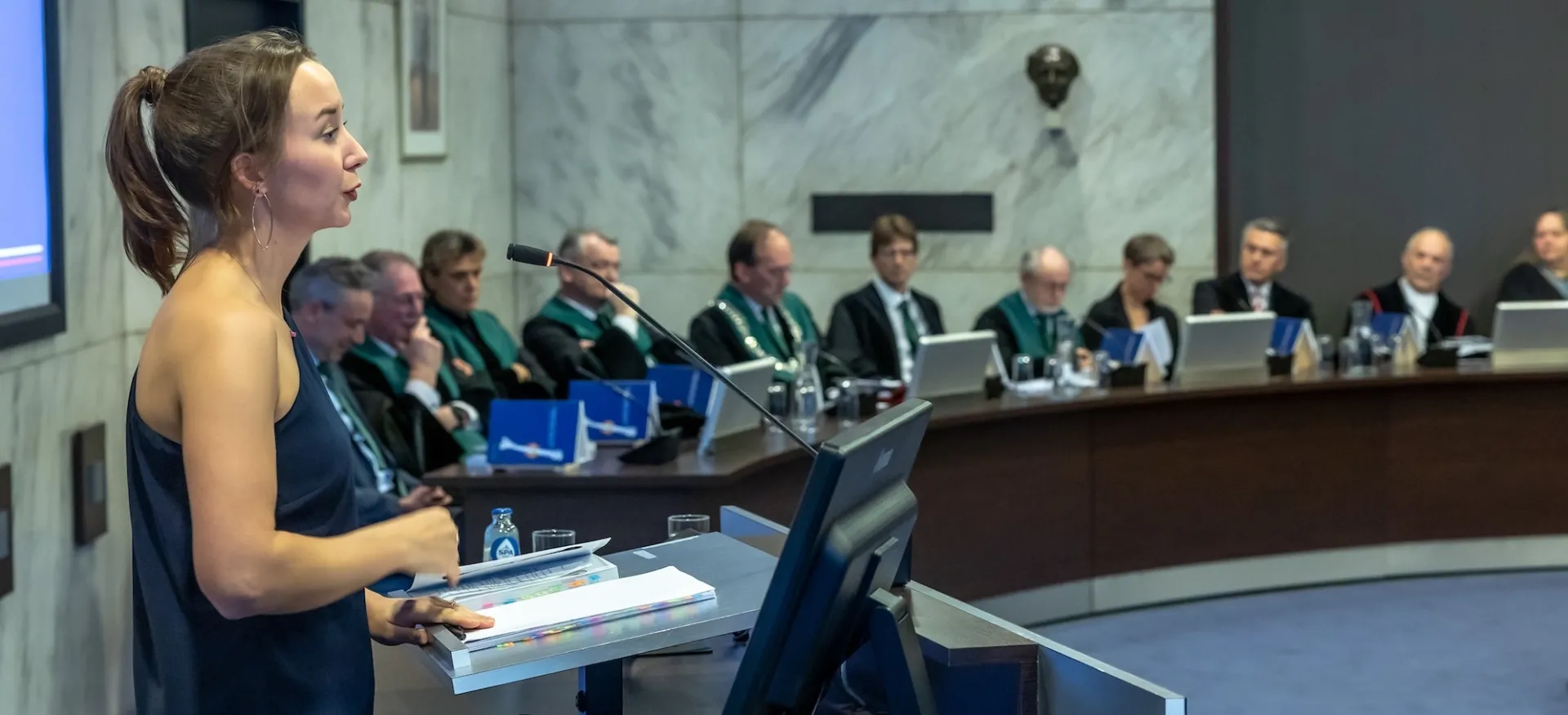
Supporting engaged research infrastructures
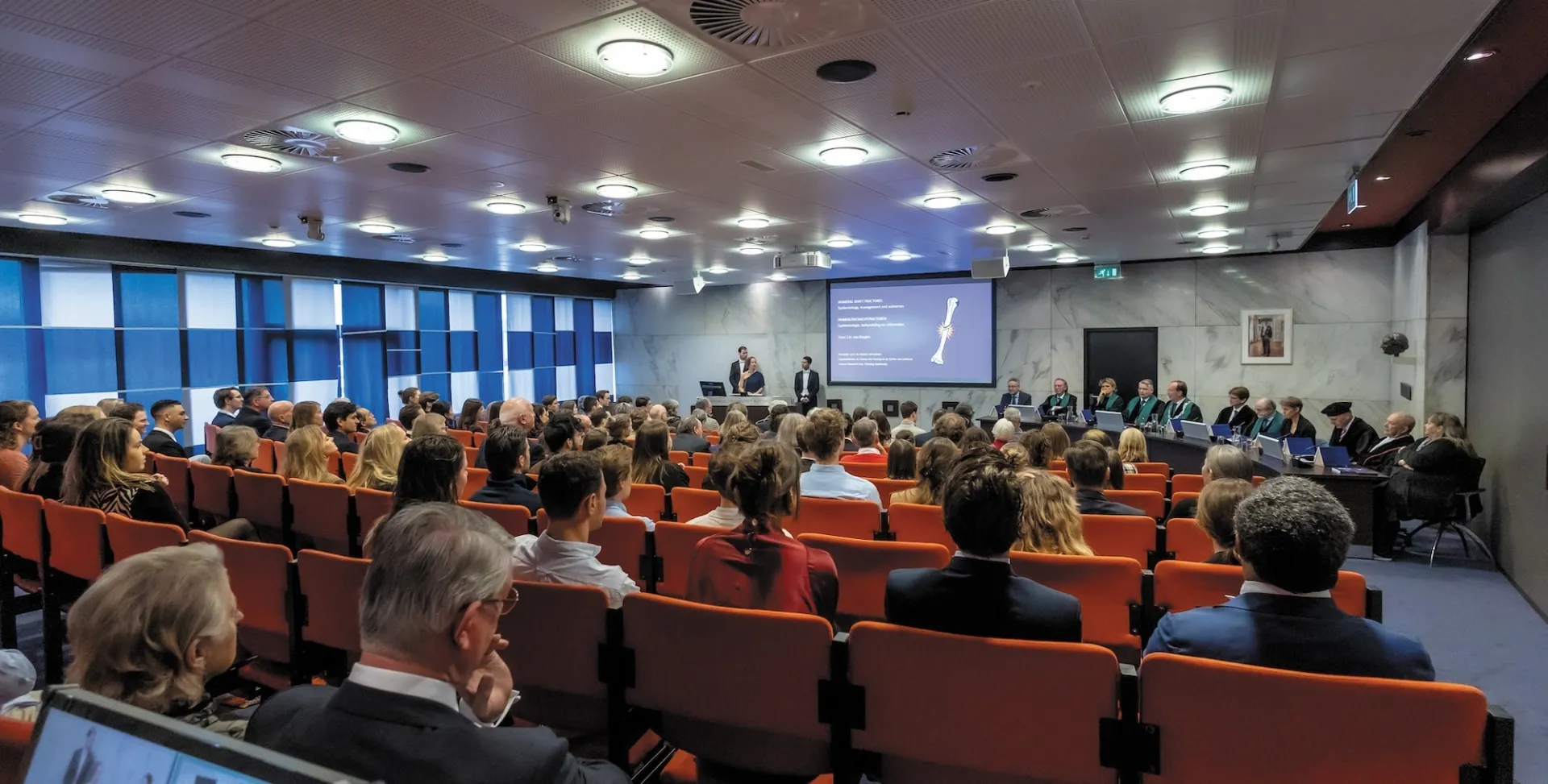
We want the positive societal impact from our research to reach beyond academia, to advance knowledge and the practice of modern evidence-based management. At RSM, researchers regularly engage and collaborate with a wide array of external partners—from start-ups to banks, from academia to government entities and NGOs. To further intensify and facilitate this collaborative approach, the School supports research centres and Erasmus Research Institute of Management (ERIM) Research initiatives. The primary goal of supporting those units is to advance knowledge and the practice of modern evidence-based management, thereby creating impact beyond academia. Consequently, these research-driven communities of engagement frequently work with relevant external stakeholders.
An example of an entity that has benefitted from this engagement support is the Erasmus Platform for Sustainable Value Creation (EPSVC). The EPSVC acknowledges an increasing demand for innovative approaches to integrate sustainability into asset pricing and valuation. Additionally, corporate governance is shifting towards prioritizing long-term value creation as the primary objective for companies. To support this transition, RSM has created a platform to promote thought leadership and excellence in this area. The platform addresses these issues through an interdisciplinary approach, developing new insights via research and education in close partnership with leading figures in sustainable finance from both industry and academia.
The School’s engagement support has also benefitted the Erasmus Centre for Energy Transition (ECET). The Centre is dedicated to the energy market, aiming to identify, analyse, and develop transformative strategies within the sector from an interdisciplinary and comprehensive perspective. An important part of the work is to build a community of energy professionals and changemakers across generations, cultures and industries, and stimulate sharing of best practices and peer-to-peer learning. The ECET bridges the gap between business and society, shaping the future of energy business to ensure sustainable impact. The Centre fosters knowledge, inspires future leaders, and focuses on accelerating the energy transition in an inclusive way.
Erasmus Behavioural Lab: Working beyond the traditional lab
ESSB has also invested significantly in fostering collaborations with societal partners. One way is through investment in the Erasmus Behavioural Lab (EBL). For example, ESSB has invested in mobile research facilities, enabling researchers to do their work outside the traditional lab context so that studies can be run with participants that are hard to reach or in settings that cannot be captured in the EBL itself (e.g., studying patients at GGZ facilities or observing children in their home environment). Another investment is the Erasmus Love Lab (ELL), which is part of the EBL. The ELL consists of an interdisciplinary research team and offers participants and researchers a separate, confidential environment in which the focus is on studying love and relationships. More broadly, ESSB has invested in two new lab coordinators, funded by sector plan funds. One of these coordinators is focused on research by design and the other on transdisciplinary research and co-creation. The lab coordinators encourage and support the use of these methods within ESSB.
The EBL (Erasmus Behavioural Lab) is the experimental research laboratory for all behavioural research at Erasmus University and is the joint research facility of ESSB and the Erasmus Research Institute of Management (ERIM). This is where new insights are generated based on practical research.
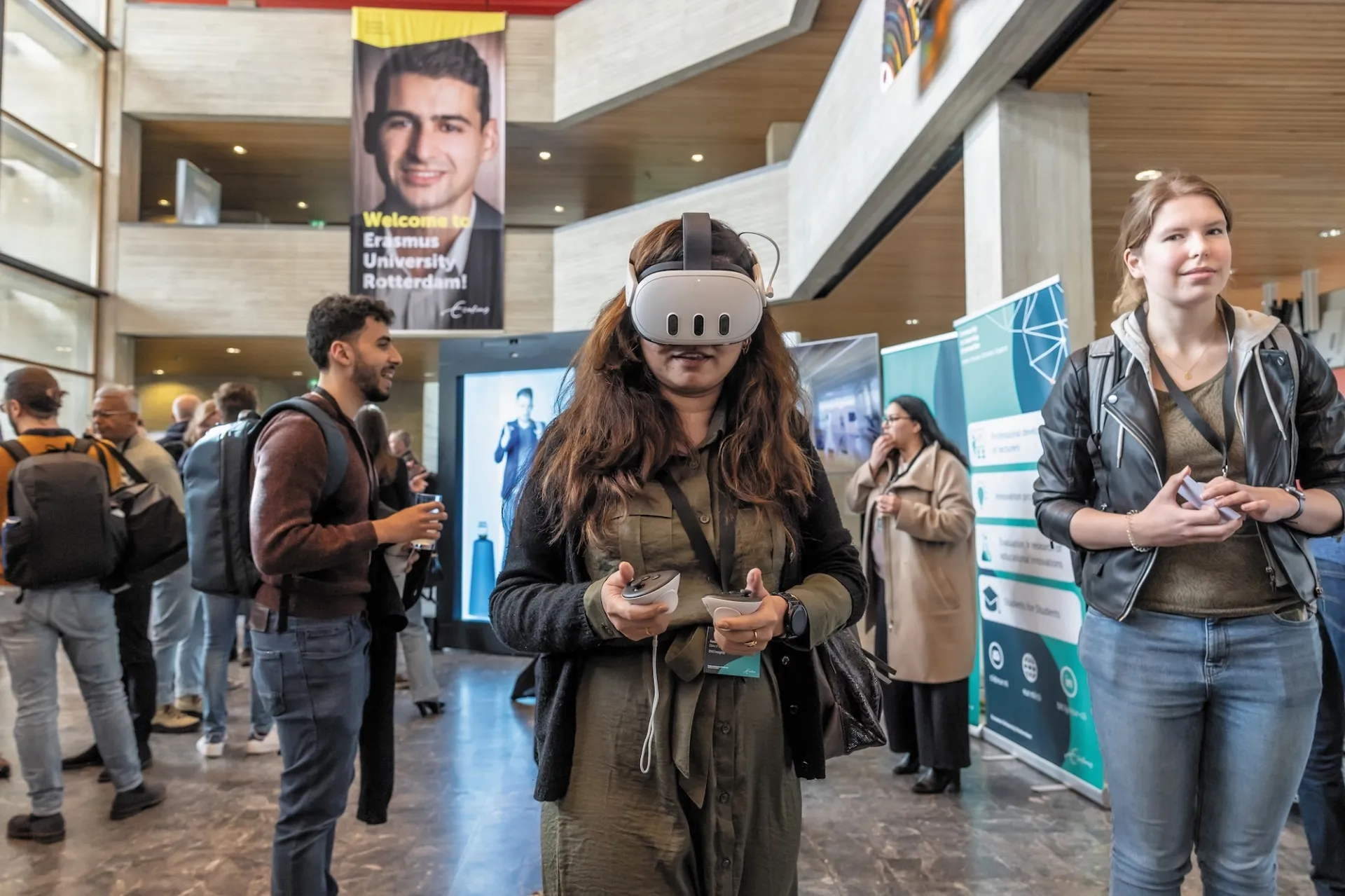
Supporting major initiatives
ERS supports large-scale research initiatives through Coordinatorship Enablement Packages (CEP). These packages are a strategic tool to support, encourage and enable EUR researchers to meet the challenge of coordinating a large externally funded research initiative. The initiatives mainly concern the European research and innovation programme Horizon Europe, the National Science Agenda (NWA) and grants related to the so-called top sector programmes. These are characterised by complexity and always involve multiple partners and co-financing requirements. The success rate of applications supported by ERS is more than 40%.
Two examples of potentially impactful projects ERS has enabled in collaboration with Schools:
- FORTPORT, coordinator Prof. Karin van Wingerde (KIC-NWO grant led by ESL)
Prof. Karin van Wingerde (ESL) won a prestigious collaboration grant from the Netherlands Organisation for Scientific Research (NWO) Knowledge and Innovation Covenant for the interdisciplinary research project FORT-PORT (Focusing on the Right Things in the Port of Rotterdam). The FORT-PORT project aims to uncover the illicit flows and underlying criminal business processes surrounding cocaine trafficking and human smuggling in and around the port of Rotterdam (PoR). The project brings together a large consortium of universities, public and private parties that operate in and around the PoR. With new insights, municipalities, businesses and enforcers can better combat drug crime in the PoR.
- AI MAPS, coordinator Prof. Gabriele Jacobs (ELSA lab - NWO NLAIC funds, led by ESSB and ESL)
The Artificial Intelligence for Multi-Agency Public Safety Issues (AI-MAPS) project is a consortium of 20 partners from academic research, government, business and civil society such as TNO, National Police, Google, Oditty.ai, Nokia and Security Delta (HSD). They combine their knowledge, experiences and perspectives to produce guidelines on ethical, legal and social aspects of AI (Artificial Intelligence) to best meet diverse citizen needs and an investment framework that will provide guidance on what kinds of AI applications are worth investing in.
Since its launch, ERS has secured over 30 million euro of grants, supported 21 impact initiatives, negotiated 5 IP licenses, guided 2 EUR spin-offs, made an impact starting guide, set up policies in the areas of ethics, research data management and impact and innovation, ensured EUR presence on the European Union, national and regional funding agendas, set up a team of data stewards and ethics research secretaries, reviewed over 2500 data management plans and over 1300 ethics review application and so on.
Opening up our research
EUR has committed to the ‘Universities of the Netherlands’ (UNL’s) 2030 open science change agenda. The reason is clear: Open & Responsible Science (ORS) makes science more transparent, open, reliable and efficient and that needs to be the standard. Where previously knowledge remained within the ivory tower of the academic institution, the ORS movement aims to put knowledge at the heart of society, one of the pathways to achieve societal impact.
Opening up our research to wider audiences is happening via several routes, including valorising our research into a licensing agreement for global use, organising expert dialogues with legislators and other stakeholders, setting up a platform to communicate about PhD research, and setting up a regional data collaboration with other institutions. Examples include:

ORS also has an educational presence. Open Education ensures free access to relevant education for everyone through Massive Open Online Courses (MOOCs), lifelong learning, and Open Educational Resources (OER) —all of which can be reused and adapted.
OER are learning, teaching and research materials in any format and medium that reside in the public domain or are under copyright that have been released under an open license, that permit no-cost access, re-use, re-purpose, adaptation and redistribution by others. See more at https://www.unesco.org/en/open-educational-resources
By making results and data available for wider audiences, ORS principles help ensure research proposals are tested for social relevance. Social relevance of research for societal beneficiaries, and reciprocity in the production and use of knowledge, are further ensured through co-creation and Citizen Science. Moreover, preregistration and openness of research results and the underlying data ensure reproducibility, and thus reliable science - critical in times when science under fire in an increasingly polarised society.
Preregistration consists of registering the specification of a research design, its hypotheses, and analysis plan (with planned sample and exclusion criteria if relevant) prior to collecting data and observing the outcomes of a study.
Ethical review committees help our researchers to practice ethically responsible science. Open Access and FAIR Data make the scientific enterprise many times more efficient, as relevant datasets are shared and reused multiple times, and access for global researchers to scientific articles is further mined and streamlined. Since 2021 on the Woudestein campus, short scientific work has been made freely accessible via the university repository (Pure) under the Open Access Regulation. This led to an increase in the Open Access level from 89% in 2020 to 96% in 2023. Finally, outreach and public engagement activities ensure that knowledge moves in two ways—in a dialogue between university and society. The university provides relevant scientific knowledge to help further society; while society brings important non-scientific knowledge (and importantly, urgent questions) to the university to help drive further scientific knowledge and research. The ORS values thus place the university—of today and of the future—at the heart of society.

Open Responsible Science programme
Through establishing a dedicated ORS programme led by ERS, stimulation of ORS practices was achieved by conducting two campaigns each year, each of which highlighted an aspect of ORS at EUR. The campaigns consisted of events, workshops and discussions, and attracted some 3,000 visitors. Further, through 80 or so graduate courses, workshops for academics, presentations and more general training sessions some 2,000 researchers were provided the right tools to make ORS the norm in research at EUR. Moreover, the (coordination of the) Open Science Community Rotterdam with its more than 100 active members provided rising awareness within the various faculties and knowledge exchange between different research disciplines in a field where many new developments are taking place.
The modernisation of research practice and further knowledge development was stimulated during the Open Science Festival 2023 where 450 ORS professionals from the Netherlands visited EUR - allowing the university to profile itself as a driving force behind ORS. The ORS MOOC A Starter’s Guide to Open Science can also be seen to contribute to internal and external awareness of EUR’s leadership in ORS. In addition, an essential support infrastructure was built and professionalised, mainly for the benefit of FAIR Data through the appointment of data stewards and the set-up and embedding of a EUR Digital Competence Centre.
Enhancing our visibility
Complementary to the efforts from the ORS programme, the Erasmus University Library has worked to enhance the broader visibility of our academic output, making it findable and accessible and increasing its reliability and credibility for the purpose of (interdisciplinary) reuse. This has been done in tandem with the redesign of EUR's publishing landscape, creating space for library diversity. There is a recognised need for a diversity of publications available to readers from different environments: global north/south; inside/outside academic environments; and in different languages (not just English). The Library has also established a literary programme on campus (together with Rotterdamsch LeesKabinet; EN: Rotterdam Reading Cabinet) for the benefit of not only the EUR community but also a wider (Rotterdam-based) audience via online exhibitions, podcasts, and (physical) programming.
To make ORS the default for research and education at EUR, recognition and appreciation is indispensable. So, in the past few years, steps have been taken in this direction, including the annual ORS awards for researchers at EUR and Erasmus MC who distinguish themselves in the fields of Open Science, Open Education and Societal Engagement.

Opening up our research to a greater audience
Another way to not only open up our research, but actively reach out and communicate it to relevant stakeholders, is by organising events for (inter)national interdisciplinary networks. An example of these efforts are the expert/stakeholder dialogues organised by the Erasmus Center for Economic and Financial Governance (ECEFG). ECEFG is an international multidisciplinary network of leading researchers and societal stakeholders initiated by researchers from ESE and ESL. On a regular basis, the Center organises ‘ECEFG Expert Dialogues’ in Rotterdam, The Hague, and Brussels for policymakers and representatives of leading think tanks. These events serve as a stimulus and opportunity for researchers to actively disseminate their research.
There are many pathways to open up our research to greater audiences. Sometimes these pathways are found through bottom-up creative ideas. Each year, Erasmus Graduate School of Law (EGSL) publishes a ‘Call for Ideas’, in which PhD researchers are invited to come up with original ideas. In 2019, the idea ‘Law out Loud’ was granted an amount of 5,000 euros through this call. With this money, four PhD researchers set up a podcast series for PhDs to present their research. Initially, Law out Loud was a success, with lots of outreach via a LinkedIn profile and four engaging podcast episodes. However, because PhD researchers have temporary contracts Law out Loud had a temporary ‘run’. EGSL tried to ‘restart’ this project within the PhD association of ESL named PILAR, unfortunately without success. ESL’s lesson is that it is important to engage a potential ‘successor’ for such initiatives in an earlier stage. This way, the impact of such initiatives becomes more sustainable and reliable.
Opening up our research also means sharing data with other institutions to enhance its impact. An example of this, is the intention agreement ‘Health Research Data Space Zuidwest Nederland’ (HRDS) signed by Erasmus MC and the five other ‘BeterKeten’ hospitals in the Rijnmond region (i.e., Albert Schweizer Hospital, Fransiscus Gasthuis & Vlietland, IJsselland Hospital, Ikazia Hospital and Maasstad Hospital) on 22 May 2024. Today’s society is complex and so is modern healthcare. A wider regional data collaboration can help unravel complex healthcare issues much faster. Sharing real world health data from everyday healthcare practice efficiently and securely and analysing the data evidence-based, allows the hospitals to distinguish sensible from nonsensical care. Therefore, the HRDS aims to organise clear agreements and support for joint research in the region, bring together the right healthcare professionals with relevant research questions to achieve appropriate care faster, ensure compliance with privacy rules and legislation when sharing patient data, and establish a robust data infrastructure. Through this collaboration, healthcare will hopefully become less burdensome for the patient, and for the healthcare system.
Generation R
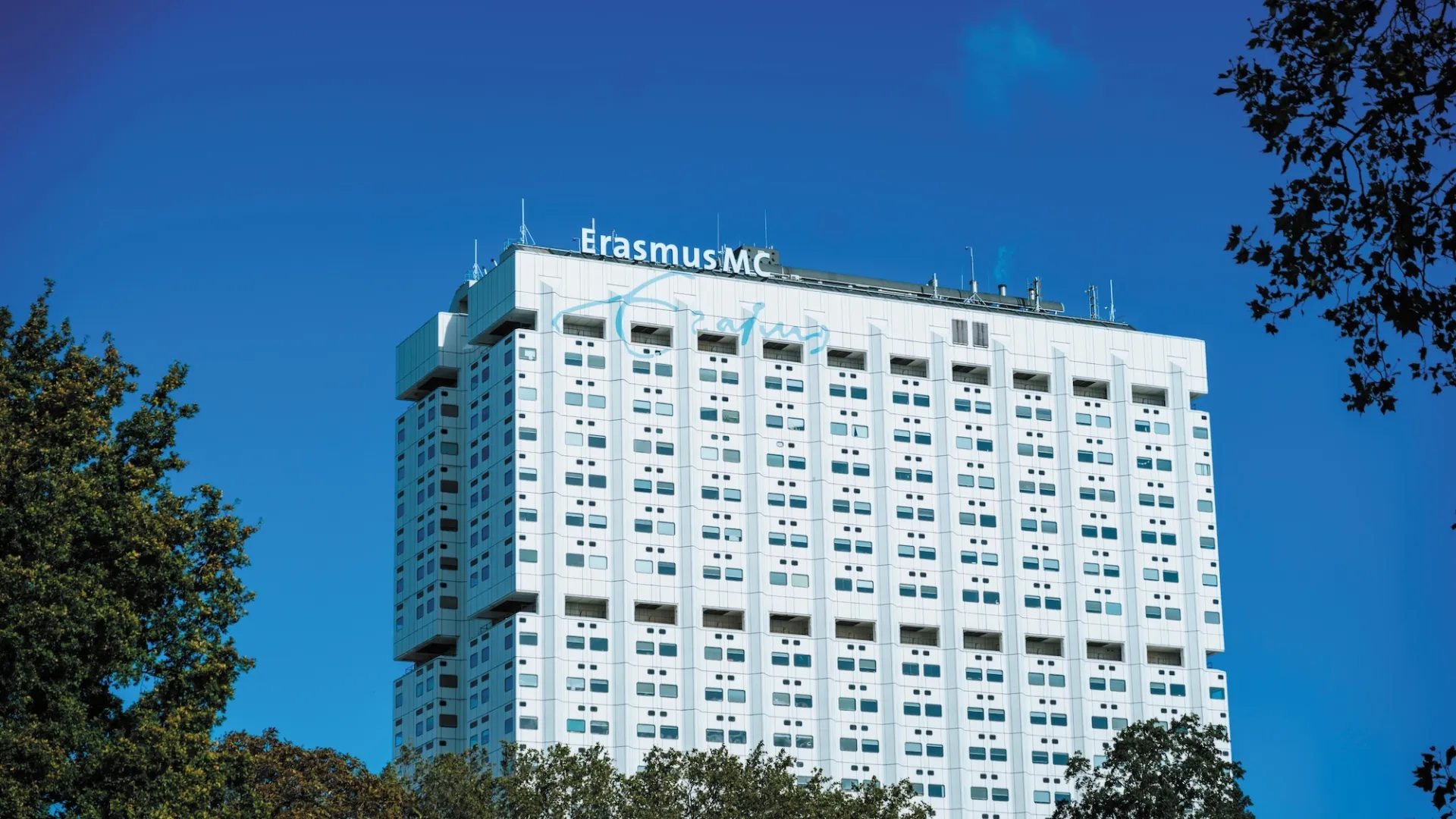
What are the factors that influence the health and development of children and their parents in Rotterdam? Through Generation R, approximately 100 PhD candidates, senior researchers and students of almost 20 departments within the Erasmus MC are working together to find out. The collection of data during pregnancy and the coverage of almost all ethnic groups in the Netherlands makes this study unique. The results of 20+ years research provide insights into, among other things, asthma and allergies, attachment, behaviour, developmental disorders, growth, and psychopathology. Detailed research data among 10,000 mothers, fathers and their children, lead to important contributions to the health and care of all children and their parents in the Netherlands. Generation R is being conducted by Erasmus MC and EUR, in collaboration with the municipality of Rotterdam and the Municipal Health Service Rotterdam area. In spring 2017 Generation R launched a new cohort study: Generation R Next, studying the growth and development of a new generation of Rotterdam children from preconception onwards.
The Goal Setting Intervention tool: From research to market
One of the pathways to practical implementation of scholarly research is through a licensing agreement. A licensing agreement is meant to open up the possibility of using valuable research to create revenue. One example of this is the licensing process of the Goal Setting Intervention, a positive psychology tool that was developed through extensive research by Prof. Michaéla Schippers (RSM). The Goal Setting Intervention is poised to make a significant positive impact on student retention, mental health and wellbeing, and to close performance gaps for gender and ethnic minorities as well.
The Goal Setting Intervention is one of the innovations developed by the Erasmus Centre for Student and Career Success. Its development began about twelve years ago, when Schippers began exploring various positive psychology tools aimed at improving student academic performance, particularly focusing on increasing study success and student retention rates. Designed to help students set, prioritise and achieve their goals in various aspects of life, thereby giving them a clear sense of purpose, the tool’s effectiveness was validated across a large sample size, reaching approximately 60,000 students across the Netherlands and Greece
ERS and RSM supported Schippers in the transition from a research-based tool to a market-ready product. According to ERS Business Developer Georgia Taxiarchopoulou MSc, partner identification was a crucial part of the process. SSPV Capital, an investment firm based in Greece, emerged as the ideal partner because of their commitment to ethical and sustainable practices, coupled with their strategic vision and commercialisation plan for the tool. This aligned with EUR’s values of ethical use and societal impact.
To ensure a smooth transition from research to market, EUR committed to supporting a new start-up venture, GoalStart BV, located at Erasmus Enterprise (EE) on Campus Woudestein, during its initial phase. Director of Engagement at RSM August Papadopoulos MA played a pivotal role in the engagement of external stakeholders for the venture. With this support, the start-up aims to enable global utilisation of RSM’s Goal Setting Intervention in helping education institutions and students meet their targets. Their first confirmed (export) client for academic year 2024/25 is Malardalen University in Sweden.
The KidsRights index: Advancing children’s rights worldwide
The Dutch KidsRights Foundation is renowned for its work on children’s rights and its annual Children’s Rights Peace Prize award. Since 2012, KidsRights has partnered with EUR on the KidsRights Index project. Academic lead Prof. Karin Arts of ISS, together with Prof. Philip Hans Franses and (until 2023) Prof. Dinand Webbink of ESE co-developed an evidence-based instrument to support the efforts of KidsRights to draw attention to, mobilise action on, and stimulate compliance with children’s rights issues across the world. The KidsRights Index was launched in November 2013 at a public gathering in the Peace Palace in The Hague.
Drawing from the United Nations Convention on the Rights of the Child (CRC), the Index measures the status of children’s rights in all countries except the United States and Taiwan, the only countries that have not yet ratified the CRC. The KidsRights Index, compiles publicly available data from UNICEF, United Nations Development Programme and the UN Committee on the Rights of the Child. These data are measured across 20 indicators — 13 quantitative and 7 qualitative — within the five domains of the Index: Life, Healthcare, Education, Protection, and the Enabling Environment for Children’s Rights.
The KidsRights Index is unique in that it is the only Index that annually systematically reviews the state of children’s rights worldwide, based on both quantitative and qualitative indicators. When creating the Index, it was decided that, given the nearly universal commitment to the CRC, the Index must be child rights based. Accordingly, with her expertise on the role and rule of law in development processes and on children’s rights, Arts shaped the fifth domain to chart how states are doing in putting in place the enabling environment for children’s rights required by the Convention. This domain consists of seven general dimensions, which are fully comparable across countries. Comparatively studying countries with different cultures, political structures, economic and social resources, and availability of data can be challenging. However, the project team finds it essential that a baseline exists to include and assess all countries on the same basis, to support the goal of holding all countries to account in an evidence-based manner. As Arts shares:
My work focusses on connecting theory to practice. The Index is an interesting tool for stirring up debates and devising concrete measurements of how states are doing in practice and how they are living up to the paper commitments that they have made by ratifying the UN Convention on the Rights of the Child. Other actors can then use the KidsRights Index to hold states to account.
Continued relevancy through adaptability
Improving children’s rights across the world is not a one-time effort, but an ongoing commitment that requires prolonged monitoring, measuring, and dissemination of results. The Index's adaptability and responsiveness to societal urgencies ensure its continued relevance and impact. The Index is, and will remain, work in progress. It is important to keep it up to date, to work with the highest possible quality and latest available data, and to process new methodological insights in relation to the children’s rights agenda. An obvious example is the latest experimental inclusion of climate change as a sixth domain into the Index. This is done from the perspective that, as the 2024 KidsRights Index report states, ‘climate change jeopardises the realisation of a whole spectrum of children’s rights’ (p. 40). Therefore, climate change action is mandatory also as part of the obligations of states under the CRC, and state performance on this must be tracked.
While there is much internal impactful work regarding working with societal stakeholders, interdisciplinarity, and modifying the tool to reflect current societal urgencies, the Index’s external uptake, in particular media communications, is also critical. The yearly publication of the KidsRights Index has created an annual moment for massive media coverage in many countries across the world, which helps to trigger debates on the state of play regarding children’s rights and what needs to be improved. In 2023, the media coverage reached 2.25 billon people across 35 countries through 382 distinct news items. In addition, the Index has been incorporated into primary and secondary books in the United Kingdom and Germany, adapted by UNICEF West Africa to create an internal dashboard to monitor the situation of children’s rights in the West African region, and presented to the UN Committee on the Rights of the Child, UNICEF, and various children’s rights NGOs. Both in the Netherlands and in a few other countries, the Index has instigated various parliamentary debates on children’s rights.
In the future, once the work on the new climate change domain will be finished, the KidsRights Index team is interested in expanding the work in two ways: developing a child-friendly version of the Index and a methodology for generating policy recommendations for specific countries. The latter was already done ad hoc with a country whose ranking fell 39 spots in one year and which then reached out to the team for explanation and guidance. However, this would require much more time, resources, and knowledge of individual country contexts than is currently available to the team. Close collaboration with local actors would be required as well.
In the meantime, those interested in being involved in the work of the KidsRights Index are encouraged to reach out to Prof. Karin Arts (arts@iss.nl). The 2024 annual report, co-written by Prof. Karin Arts (ISS) and Avinash Reddy Pichhili LL.M. (KidsRights) and supported by data and other inputs by Ujjwal Dubey LL.M. (KidsRights), Mirthe Hendriks MSc (ESE) and Prof. Hans Philip Franses (ESE), can be found here.

ELM: Paving the way for sustainable and ethical AI in academia and beyond
As a response to growing issues in relation to using AI language models, Dr João Gonçalves, working at ESHCC, created the Erasmus Language Model (ELM). ELM is a software that was designed and tailored as a sustainable and responsible alternative for academics working at Erasmus.
The process kickstarted when Gonçalves, alongside Michele Murgia, former coordinator for AI education at Convergence, decided to develop an AI model that could be ethically used by students attending their courses. After receiving a grant from SURF, the cooperative association of Dutch education and research institutions, the team was provided technical and data assistance from the EUR Library and the Future Lab. The idea was to train the language model on information gathered from research papers and master theses.
An issue often confronted with AI language models is privacy concerns when using potentially sensitive and private data. Private data and user information are usually gathered by companies to further train their model. This can pose a particular challenge for colleges and universities that manage sensitive data. ELM was created to provide a better alternative. In contrast to commercial models, ELM's training included a significant focus on data ethics to prevent the use of inappropriate or falsified information. It does not reuse user data for additional training, thus respecting user privacy. Another issue with using commercial AI models that is typically overlooked is the concern of sustainability. Big models like ChatGPT are impressive, answering complex questions in seconds. However, the training and further use of such models requires significant energy and water (for cooling server farms, for example). ELM was developed with cleaner energy and is a sustainable alternative during a time when environmental costs and the climate crisis are pressing issues. Due to its simplicity, ELM consumes far less power and does not need server farms. It can be used on standard laptops and computers without having a large-scale infrastructure.
Inspiring localised language models
ELM’s model has drawn attention from various stakeholders, including lawmakers, municipalities, and big private companies. The Dutch Data Protection Authority and other government agencies expressed interest in ELM's simple software, hoping to examine it for wider uses. In addition, the ELM model also inspired other institutions, both within the Netherlands and internationally, to explore and build their own localised language models. For example, ELM's methodology encouraged efforts such as GPT-NL and models established by the Dutch insurance organisation.
In an exciting project partnering with TU Delft through ‘Healthy Start’, the ELM is being customised to offer mental health assistance to youth from marginalised communities. In this initiative, the team is interacting directly with teens in places such as Schilderswijk in The Hague, asking about the type of model that they would like to use, and questions they would want to ask. This method allows the model to be inclusive to people’s different needs, making it an effective tool for delivering appropriate mental health assistance where it is most necessary.
In addition to its technological and social accomplishments, ELM's development facilitated cooperation across other industries. From local governments looking to improve public services to firms like Philips looking into privacy-focused AI solutions, ELM showcased the promise for ethical AI models to satisfy a variety of demands. Other Schools within EUR also see potential in the ELM, and they are exploring how to include it in their education for example.
ELM’s dedication to privacy, sustainability, and inclusivity is an exciting example of how necessity-driven innovation can propagate positive societal impact.
ESPRIT: Co-creating evidence for policymaking in sports
While modern sport offers invaluable positive outcomes and values for society, it also suffers from a growing number of integrity issues such as (sexual) harassment, match-fixing, violence, sexism, doping and criminal interference/undermining. Dr Sandra Meeuwsen, Director of the Erasmus Center for Sport Integrity & Transition (ESPRIT), launched September 2022 and hosted by ESPhil, explains:
The single objective of winning gold medals and the harsh mentality of ‘no pain, no gain’ stimulates excessive behaviour and repression towards athletes. We should not close our eyes to the distortions that sport is facing, but rather investigate and explore their intrinsic roots and causes to support a responsible systemic transition, transforming the entire social practice of sport into a more human-centred domain.
ESPRIT investigates modern sport’s challenges by applying ‘embedded ethics’, improving moral resilience in close contact with athletes, coaches, sport governing bodies and other relevant stakeholders. In doing so, ESPRIT creates a reciprocal relationship between academia and practitioners to guide sports into a new moral and operational framework, working in an interdisciplinary way with colleagues from ESL, ESHCC, Erasmus Centre for Applied Sport Economics, ESHPM, Erasmus MC and Dutch Research Institute for Transitions (DRIFT).
Advancing evidence-based policy in Dutch elite sport
Upon request from the Netherlands Olympic Committee in 2023, ESPRIT mapped the current debate and research findings on the intersections between sex, gender and elite sport. Meeuwsen considers that the resulting document was ‘a complete reality check’ for their societal stakeholders about the changing world that we are living in. In 2024, ESPRIT enriches the overview with a variety of perspectives ranging from medicine, legal theory, social sciences, human rights, and sport ethics. This research aims to facilitate a ‘level playing field’ in this explosive debate, based on scientifically validated knowledge. Ultimately, with the assistance of ESPRIT, sport executives will be able to improve their policymaking on gender inclusion in Dutch elite sports.
Meeuwsen explains that connecting and involving all relevant stakeholders in this research project has been essential to the validity and applicability of the results. She advises academics that they should not be hesitant to express their academic independency to societal stakeholders.
Don’t be afraid to ask, ‘we might surprise you with results that are not in line with your expectations, are you prepared and willing to face this?’. So, I stand alongside practitioners, but always in a critical and constructive way - otherwise we only mirror their systemically built values and behaviours. To explore which interventions really bring about systemic change and thus societal impact, we need to do more.
Meeuwsen considers that in collaboration with societal stakeholders, especially when research outcomes might unwillingly contribute to a polarized debate, both parties must ‘stand for the research as such, defend their choices, and pick up the phone whenever a journalist may call’.
Improving inclusion and integrity using the Impact - Integrity Model
In the context of a ZonMW (Healthcare Research Netherlands and Medical Sciences) research proposal on how to increase elite sport’s societal impact, ESPRIT also developed an Impact - Integrity Model, a tool to activate and empower sports organisations to discover and improve their level of inclusion and integrity, and, correspondingly, their societal impact. ESPRIT brought together a diversity of (inter)national actors and asked them: ‘What impact does elite sport want to realise?’. While some were only concerned about performance enhancement and winning medals, others were also interested in deepening the connection between sport and society. ESPRIT brought these different voices together to develop a Theory of Change, that will help sport practitioners to transform the dominating culture in which ‘winning is everything’.
After two years of investigating, deliberating, and exchanging with stakeholders, Meeuwsen found out that sports’ positive impact is intertwined with integrity: ‘Society will only resonate with sports and support them if they are trustworthy and authentic, that is, if they effectively fight excessive behaviour’. Therefore, the Impact - Integrity model supports sports organisations in their transition journeys.
Philosophy in practice: ‘The future of academia’
Philosophy and ethics have been essential in the process of creating the ESPRIT Impact - Integrity Model and conducting commissioned research in the field of modern sports. Meeuwsen:
We are convinced that we need to enrich the ongoing compliance focused approach with a different, ‘embedded ethics’ angle to create a more holistic and sustainable approach to sports. As a philosopher, I start with debunking the prevailing discourse and present a different genealogy. This opens up to new perspectives and values.

Lessons learned and future directions
Thanks to our efforts in advancing and promoting interdisciplinary, transdisciplinary, impactful and open research, we have learned some valuable lessons. First, innovating our research requires us to create space to learn and make mistakes. This space entails both a safe (physical) space for researchers to collaborate in inter- and transdisciplinary and impactful research as well as the freedom for researchers to invest time and effort into (peer) learning and doing things differently. This enables them to explore new methods and approaches and to make a long-term commitment that is necessary to conduct impactful inter- and transdisciplinary research. Facilitating deliberate encounters between researchers from various disciplines proved challenging, but instrumental to create original and valuable knowledge that is particularly useful for complex societal issues. Therefore, it is important to stimulate and enable the formation of communities of practice that promote peer learning by fostering an environment that stimulates respectful and open teamwork across disciplines and with all our stakeholders.
Second, shared core values can help with impact research practices, and it is important to have continuous conversations about how these values are interpreted, experienced, and applied by researchers and communities alike. Using our Erasmian values (such as open-mindedness, being engaged, connecting) as a departure point can enable researchers to prioritise building strong relationships and trust. It is important to emphasise that, for impactful research, societal needs are put at the centre, while researchers also need to maintain their academic rigour, requiring them (and us as an institution) to be reflexive and flexible. Researchers stand alongside and support practitioners by offering scientific knowledge, always in a critical and constructive way. Impact then is not only an outcome of research, but also of the overall process and the ongoing relationships you build (and sustain) along the way. Creating impact in this way requires us – as an academic institution – to be conscious of our own role in society and our impact upon it.
Third, it is important to acknowledge that such impact-oriented work differs strongly from ‘traditional academic work’ in education and monodisciplinary research; and that building and sustaining relationships requires a continuous effort from academics, necessitating additional support from our professional services. For the initiatives for which there was dedicated support, this support proved instrumental in enhancing the positive impact of research, as it enabled researchers to translate their knowledge into more practical tools that can benefit society at large. Recognition and appreciation for impactful research is part and parcel of this. It not only ensures that impactful research is rewarded in terms of allocated time; but communicating about impactful research with the rest of the Erasmian community can also stimulate and motivate others to engage in such work. Establishing clear incentives and removing barriers to open and responsible science, and inter- and transdisciplinary collaboration remains indispensable, even when the resources available for research come under increasing pressure.